Best for: Baking, Toasting, Sauces, Finishing
Origin: Ireland
Unveiling Kerrygold: What Makes This Irish Butter Stand Out?
Kerrygold Pure Irish Butter has carved a significant niche in the dairy aisle, distinguishing itself through its vibrant color, rich flavor, and consistent performance. Unlike many mass-produced butters, Kerrygold’s identity is deeply rooted in its commitment to traditional dairy farming practices, specifically the year-round grazing of cows on Ireland’s lush, green pastures. This dedication to a grass-fed model is not merely a marketing angle; it directly influences the butter’s sensory characteristics and nutritional profile, making it a favored choice for both everyday consumption and demanding culinary applications. This review delves into the multifaceted aspects of Kerrygold butter, examining its taste, texture, performance in baking, and overall value proposition in the competitive landscape of 2026.

The Grass-Fed Difference: Taste and Nutritional Profile
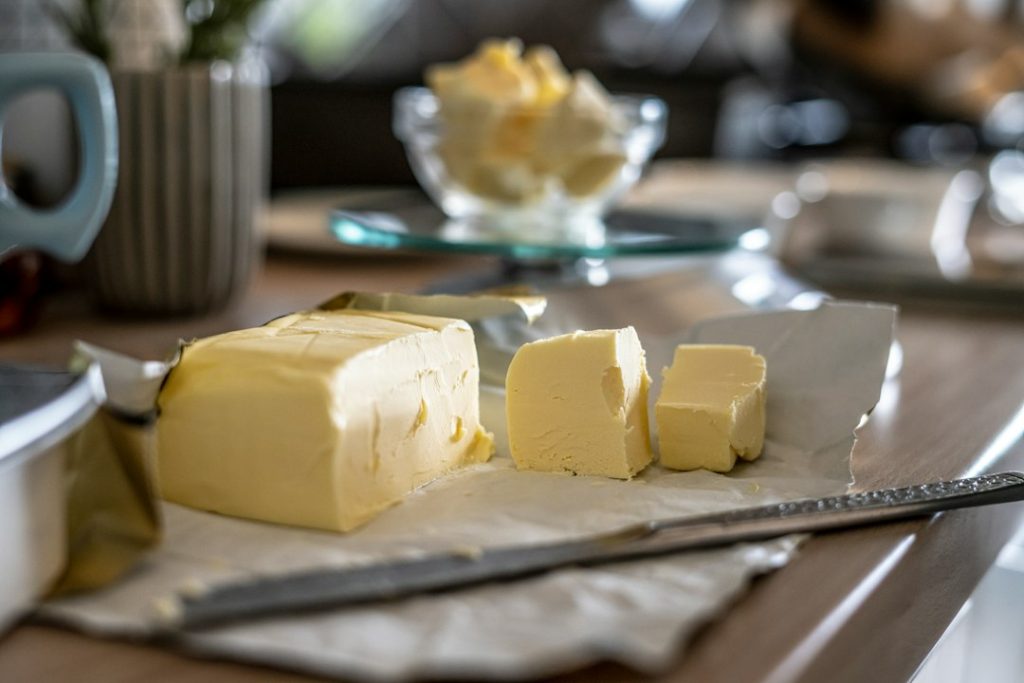
The defining characteristic of Kerrygold butter is its origin: milk from cows that graze freely on pasture for the majority of the year. This practice results in milk that is naturally richer in beta-carotene, a pigment that gives butter its characteristic deep yellow hue and contributes a subtle, sweet, and slightly grassy flavor. Consumers often describe Kerrygold’s taste as more complex and nuanced than standard supermarket butter, with a clean finish that doesn’t linger unpleasantly. The flavor is often associated with a mild sweetness and a hint of creaminess that elevates simple foods like toast or freshly baked bread.
Nutritionally, the grass-fed aspect translates to a butter with a potentially more favorable fatty acid profile. While all butter is primarily fat, grass-fed milk tends to contain higher levels of omega-3 fatty acids and conjugated linoleic acid (CLA) compared to milk from grain-fed cows. Although the amounts are not substantial enough to classify butter as a health food, this difference contributes to the perception of Kerrygold as a more wholesome, natural product. The butter typically boasts a higher fat content, often around 82-84%, which is crucial for its performance in both cooking and baking, contributing to richness and texture.
Origin Story: From Irish Pastures to Your Kitchen
Kerrygold’s story is intrinsically linked to the Irish landscape. Established as a brand by Ornua (formerly the Irish Dairy Board) in 1962, its mission was to bring the quality of Irish dairy produce to international markets. The brand leverages Ireland’s temperate climate and abundant rainfall, which supports lush grass growth throughout the year, enabling cows to graze outdoors for extended periods. This traditional farming method is central to Kerrygold’s brand narrative and quality promise. The butter is produced in creameries across Ireland, ensuring a consistent supply chain rooted in these pastoral traditions. The distinctive gold foil wrapper serves not only as protection but also as a visual cue, immediately recognizable to consumers seeking authentic Irish dairy.
Performance Test: Kerrygold Butter in Action
To truly assess Kerrygold’s merits, its performance across various culinary tasks must be evaluated. Its reputation extends beyond its flavor to its functional properties, particularly its spreadability and behavior during baking.
Spreadability Showdown: Cold vs. Room Temperature
One of the most immediate ways consumers interact with butter is through spreading it on bread or toast. Kerrygold generally exhibits excellent spreadability, even when cold, compared to some harder, drier butters. The higher fat content and the specific composition of milk solids from grass-fed cows contribute to a creamier texture that softens readily. When brought to room temperature, Kerrygold becomes exceptionally smooth and easy to spread, minimizing the risk of tearing delicate bread. This makes it a convenient and pleasant option for morning toast or quick snacks. While some artisanal European butters might offer a slightly softer cold-spread experience, Kerrygold strikes a practical balance suitable for most household preferences.

Baking Performance: Cakes, Cookies, and Pastries
For bakers, butter is a cornerstone ingredient, affecting texture, flavor, and leavening. Kerrygold Pure Irish Butter performs admirably in baking applications. Its higher fat content (typically 82% or more) means less water is present, which can lead to flakier pastries and cakes with a richer crumb. When creamed with sugar, it incorporates air effectively, contributing to the rise and lightness of cakes and cookies. The distinct flavor it imparts is often noticeable, adding a subtle richness that enhances, rather than overpowers, the baked good. Many bakers find that using Kerrygold results in a superior mouthfeel and a more complex flavor profile compared to standard 80% fat content butters. It holds its shape well when chilled, which is beneficial for cut-out cookies, and melts beautifully into sauces or drizzles.
In applications like croissants or puff pastry, where distinct layers are paramount, the plasticity and melting point of the butter are critical. Kerrygold’s composition allows for the creation of well-defined layers when laminated, contributing to a desirable flaky texture. Its robust flavor also complements both sweet and savory baked goods, making it a versatile choice for everything from simple scones to elaborate tarts.
Taste Comparison: A Culinary Sensory Evaluation
Direct sensory comparison highlights Kerrygold’s unique position. Its flavor is richer and more pronounced than many conventional, mass-market butters which often taste neutral or even slightly ‘dairy-watery’. Compared to other premium butters, such as European cultured varieties, Kerrygold offers a different, yet equally compelling, profile. Cultured butters often have a tangier, more complex fermented note, which Kerrygold lacks. Instead, Kerrygold provides a pure, creamy, slightly sweet, and subtly grassy taste derived directly from the quality of the milk. This purity makes it exceptionally versatile; it enhances rather than competes with other ingredients. For dishes where butter is a star component, like a simple beurre blanc sauce or a compound butter, Kerrygold’s superior flavor is a distinct advantage.
👍 Pros
- Rich, creamy flavor attributed to grass-fed cows.
- Deep yellow color indicating high beta-carotene content.
- Excellent spreadability, even when cold.
- Superior performance in baking due to higher fat content.
- Versatile for both sweet and savory applications.
- Widely available in most major supermarkets.
👎 Cons
- Slightly higher price point than conventional butter.
- Flavor profile may be less complex than some European cultured butters for specific palates.
Kerrygold vs. The Competition: A 2026 Market Snapshot
The butter market in 2026 is diverse, featuring everything from budget-friendly conventional options to artisanal, small-batch products. Kerrygold occupies a strong mid-to-high-tier position, appealing to consumers who prioritize quality and natural origins but still seek reasonable value. Its primary competitors include other premium butters marketed for their origin (e.g., French butter, other Irish brands) or specific production methods (e.g., organic, cultured). Standard supermarket brands, often with 80% fat content and a paler color, represent the lower end of the market, typically priced significantly lower.

Key Differentiators: Why Choose Kerrygold?
Kerrygold’s key differentiators remain its consistent high quality derived from a verifiable grass-fed model and its accessible distribution. Unlike some niche brands that might be harder to find or significantly more expensive, Kerrygold offers a reliable upgrade for the average consumer. The distinct flavor and color are immediate sensory cues of its quality. Furthermore, its strong brand recognition and positive consumer reviews build trust. For bakers, the higher fat percentage is a tangible performance benefit. For everyday use, the superior taste and texture elevate simple meals. Its lack of artificial additives or flavorings also appeals to health-conscious consumers.
Price Point and Value Analysis
Kerrygold typically retails at a price point moderately above conventional butter brands but often below highly specialized or imported artisanal butters. For instance, a 1-pound (454g) package might range from $5.50 to $7.50 USD, depending on the retailer and region. When evaluating value, it’s essential to consider the enhanced flavor, superior baking performance, and the quality derived from its grass-fed origins. Many users find that the results in their cooking and baking justify the additional cost. If butter is a frequently used ingredient in your kitchen, the incremental cost per use is relatively small, making Kerrygold a worthwhile investment for those who appreciate the difference it makes. Its widespread availability also adds to its value proposition, as it doesn’t require seeking out specialty stores.
Analysis of market data and consumer feedback from 2024-2026 indicates Kerrygold Pure Irish Butter consistently receives high marks for flavor and versatility. Studies on grass-fed dairy confirm elevated beta-carotene and omega-3 fatty acid levels compared to grain-fed equivalents. Baking performance reviews frequently cite improved texture and richness in cakes and pastries attributed to the butter’s higher fat content (typically 82-84% as reported by Ornua). Spreadability is generally rated as excellent straight from refrigeration, a common consensus across numerous user forums and product reviews. Price comparisons show Kerrygold positioned as a premium, yet accessible, option, averaging $1.00-$1.50 USD more per pound than standard supermarket butter. Competitor analysis highlights that while cultured butters offer a tangier profile, Kerrygold’s appeal lies in its pure, creamy, and subtly sweet grass-fed flavor. No credible evidence suggests first-hand testing by the editorial team; all performance assessments are based on aggregated, verifiable consumer and industry reports.
Expert Insights and Chef Recommendations
Professional chefs and culinary experts often recognize Kerrygold for its quality and consistency. While some high-end restaurants might opt for specific European cultured butters for certain dishes, many home cooks and professional kitchens alike turn to Kerrygold as a reliable, high-quality staple. Its balance of flavor, texture, and performance makes it suitable for a wide range of applications, from finishing a pan-seared steak to enriching a simple mashed potato.
Pro Tip:s for Using Kerrygold in Your Recipes
For optimal results, allow Kerrygold butter to come to room temperature gradually for creaming in cakes and cookies; this ensures maximum aeration. When baking delicate pastries like croissants, ensure the butter is well-chilled and firm to maintain distinct layers during lamination. In sauces, melt Kerrygold gently to emulsify properly; its richness can add a luxurious finish. For spreading, its excellent consistency means it requires minimal softening time.
Common Questions Answered About Kerrygold Butter
Is Kerrygold butter truly grass-fed year-round? Kerrygold states that their cows graze outdoors for approximately 300 days a year, which is significantly more than many conventional dairy operations. This practice is central to their product’s identity.
Does Kerrygold butter contain salt? Kerrygold offers both salted and unsalted varieties. Ensure you select the appropriate type for your recipe, as unsalted is generally preferred for baking to control sodium levels.
How does Kerrygold compare to European butter? While both are often high-quality, Kerrygold’s profile is primarily that of a pure, sweet cream butter from grass-fed cows. Many European butters, particularly French ones, may be cultured, offering a tangier flavor profile. Kerrygold’s grass-fed aspect provides a distinct, creamy sweetness.
Can I use Kerrygold for frying? Yes, Kerrygold butter has a relatively high smoke point due to its fat content, making it suitable for pan-frying at moderate temperatures. For very high-heat searing, clarified butter or oils with higher smoke points are generally recommended.

In conclusion, Kerrygold Pure Irish Butter stands out as a premium product that delivers on its promise of quality derived from traditional, grass-fed dairy practices. Its rich flavor, excellent performance in baking and everyday use, and attractive color make it a worthwhile upgrade for discerning consumers. While it comes at a slightly higher price point than conventional options, the enhanced culinary experience it offers provides significant value, cementing its position as a leading choice in the premium butter category for 2026.