🧰 Tools & Gear You’ll Need
- A discerning palate
- A magnifying glass (optional, for label details)
- Good lighting for label inspection
- A willingness to explore complex flavors
Navigating the world of balsamic vinegar can be a minefield, especially when faced with labels that tout authenticity. Many consumers mistakenly believe all “balsamic glaze” is created equal, or that any product labeled “balsamic vinegar” from Modena carries the same weight. The reality is far more nuanced, and understanding the difference between DOP (Denominazione di Origine Protetta) and IGP (Indicazione Geografica Protetta) is crucial for anyone seeking the genuine article, particularly when it comes to the prized Traditional Balsamic Vinegar of Modena (ABT) versus its more widely available IGP counterpart.

Understand the Core Difference: DOP vs. IGP
At its heart, the distinction lies in protection and tradition. DOP signifies a product whose entire production process—from raw materials to finished product—occurs within a specific, protected geographical area according to strict, traditional methods. IGP, while still offering geographical protection and adherence to certain standards, allows for more flexibility in the production process and often involves a broader geographical area or different production rules. For balsamic vinegar from Modena, this translates to a profound difference in quality, aging, and flavor.
Decoding the Labels: What DOP and IGP Truly Mean
The labels on balsamic vinegar bottles are not mere decorations; they are legally binding certifications that tell a story about the product’s origin and production. For Modena balsamic vinegar, these certifications are paramount in distinguishing true tradition from industrial imitation.
DOP: The Pinnacle of Traditional Balsamic Vinegar of Modena
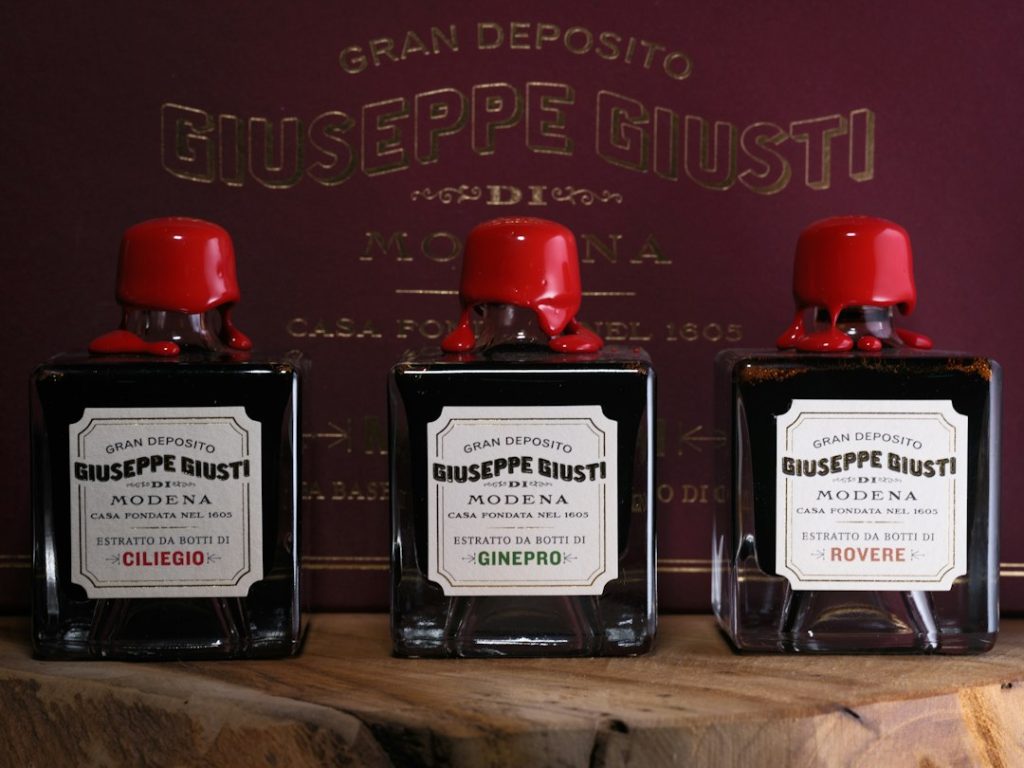
When you see the DOP certification specifically for “Aceto Balsamico Tradizionale di Modena” (Traditional Balsamic Vinegar of Modena), you are looking at the absolute highest echelon. This is not simply a condiment; it’s a complex, aged delicacy. DOP products are made exclusively from cooked grape must (the unfermented juice of grapes), with absolutely no additives, caramel coloring, or preservatives allowed. The aging process is rigorous: a minimum of 12 years for the ‘Extravecchio’ designation and a minimum of 25 years for the highest tier. The production is confined to small producers within the province of Modena, adhering to ancient methods passed down through generations. The packaging is also highly specific, typically involving a distinctive round bottle designed by the Italian glass artist Giulio Iacchetti, sealed with a cork stopper and accompanied by a numbered certification tag and a quality seal from the relevant consortium.
IGP: Understanding the Protected Geographical Indication Balsamic Glaze
The IGP certification for “Aceto Balsamico di Modena” signifies a product that still originates from the Modena or Reggio Emilia regions and follows specific production guidelines, but with greater flexibility than DOP. IGP balsamic vinegar is also made from grape must and wine vinegar, but it can include wine vinegar that wasn’t produced within the designated region, and crucially, caramel color is permitted. While aging is required, it’s less stringent than DOP – often much younger or not aged at all, depending on the specific product marketed as ‘Balsamico di Modena IGP’. Many products labeled as “Balsamic Glaze” or “Condimento Balsamico” fall under the IGP umbrella, or are even further removed from true balsamic. IGP balsamic vinegar is typically thinner, darker (due to permitted caramel coloring), and has a more straightforward sweet-sour taste profile. It’s widely available and more affordable than DOP.

Key Differentiating Factors: Beyond the Label
While the DOP and IGP certifications are your primary guide, delving deeper into the specifics of ingredients, aging, and production can further solidify your understanding and help you spot the genuine article amidst a sea of imitations.
Ingredient Purity: What to Look For in Authentic Vinegar
The cornerstone of authentic Traditional Balsamic Vinegar of Modena (DOP) is its simplicity: 100% cooked grape must. No additives, no preservatives, no colorants. The magic happens solely through the concentration of the grapes and the aging process. For IGP, the regulations are more relaxed. While the base is still grape must and wine vinegar, ingredients like caramel color (E150d) are permitted to achieve a uniform dark color and a slightly sweeter profile. If you see a long list of ingredients, especially artificial colors or thickeners like xanthan gum in a product claiming to be traditional balsamic, it’s almost certainly not DOP. For IGP, caramel color is permissible, but the absence of other obscure additives is still a good sign.
Aging Process & Traditional Methods: The Heart of DOP
The soul of DOP Traditional Balsamic Vinegar lies in its protracted aging process. It’s aged in a series of wooden barrels (typically chestnut, oak, cherry, or ash) of decreasing size, a process known as ‘batteria’. Over years, even decades, the vinegar slowly evaporates (the ‘angel’s share’), concentrating its flavors and developing its characteristic complex aroma and taste. This meticulous, slow process is what gives DOP its depth, its subtle notes of fruit, wood, and a delightful balance of sweet and sour. IGP balsamic vinegar, while benefiting from some aging, does not undergo this lengthy, traditional ‘batteria’ maturation. It’s often produced much faster and may only be aged for a few months or not at all, relying more on added ingredients for its final characteristics.
Production Zones & Regulations: Ensuring Authenticity
Both DOP and IGP certifications legally bind the product to specific geographical origins. DOP ‘Aceto Balsamico Tradizionale di Modena’ must be produced entirely within the province of Modena. IGP ‘Aceto Balsamico di Modena’ must also originate from either Modena or the neighboring province of Reggio Emilia, with specific rules about where the grapes are grown and where the vinegar is processed. These geographical restrictions are not arbitrary; they protect centuries-old traditions and ensure that the unique environmental factors of the region contribute to the final product’s quality. Producers must be registered with and certified by the respective regulatory bodies (Consorzio del Aceto Balsamico Tradizionale di Modena for DOP, and Consorzio Tutela Aceto Balsamico di Modena for IGP).

Spotting the Imposters: Red Flags in Balsamic Glaze
The market is saturated with products that mimic the appearance and name of balsamic vinegar but fall far short in quality and authenticity. Being able to identify these imposters is key to avoiding disappointment and wasted money.
Common Deception Tactics & Misleading Marketing
Manufacturers often leverage the prestige of “Modena” and “Balsamic” to sell inferior products. Be wary of terms like “Balsamic Vinegar of Modena Style” or “Rich & Thick Balsamic Glaze” when the price is suspiciously low or the ingredients list is long. Some products might use artificial thickeners (like corn syrup, molasses, or even starches) to mimic the syrupy texture of aged balsamic, or rely heavily on caramel coloring to achieve a deep, dark hue. Packaging that heavily features Italian imagery without clear DOP or IGP certification should be approached with caution. The ultimate deception is when a product is simply wine vinegar with coloring and flavoring, masquerading as balsamic.
Texture, Color, and Flavor Profiles: Sensory Clues
Authentic DOP Traditional Balsamic Vinegar of Modena is viscous, syrupy, and coats the back of a spoon. Its color is a deep, rich brown, but you can often see some translucency when held to the light. The flavor is complex and multilayered: a perfect harmony of sweet and sour, with notes of fruit, wood, and a distinct tanginess that comes from natural fermentation and aging. IGP balsamic vinegar, especially those marketed as glazes, will often be even thicker, more opaque, and intensely dark due to added caramel color. The flavor profile is typically simpler, predominantly sweet with a straightforward acidity. If a balsamic product is watery, pale, or has an overwhelmingly harsh, vinegary bite without sweetness, it’s likely not a quality product, regardless of its label.
Price as an Indicator: When Too Cheap is Suspicious
Genuine Traditional Balsamic Vinegar of Modena (DOP) requires at least 12 years of aging, meticulous care, and small-batch production. This translates to a significant cost. A 100ml bottle of DOP should realistically cost no less than €50-€70. If you see it for €10 or €20, it’s a red flag. IGP balsamic vinegar is more affordable, with prices typically ranging from €5 to €20 for a standard bottle, depending on age and quality. Balsamic glazes, which are often simply reduced vinegar with sweeteners and thickeners, can be found even cheaper. The principle of “you get what you pay for” is particularly relevant here. Extremely low prices for products labeled “Traditional” or “Aged” are almost always indicative of an inauthentic product.
Practical Verification Steps for Consumers
Armed with knowledge, you can now approach the balsamic vinegar aisle with confidence. Here’s how to practically verify authenticity before you buy.
Reading Between the Lines: Decoding Ingredient Lists
This is your most powerful tool. For DOP, the ingredient list should be nonexistent, or simply state “Grape Must.” For IGP, the ingredients will typically include “Grape Must,” “Wine Vinegar,” and possibly “Caramel Color (E150d).” If you see anything else – thickeners, artificial sweeteners, preservatives, or flavorings – steer clear of anything claiming to be a high-quality Modena balsamic. Remember, the simpler the ingredient list, the closer you are likely to be to authenticity, especially when paired with the correct certifications.
The Role of Consortiums and Certifications
The DOP and IGP labels are backed by official consortiums tasked with protecting the integrity of these products. For DOP Traditional Balsamic Vinegar of Modena, look for the red and gold seal of the ‘Consorzio del Aceto Balsamico Tradizionale di Modena’. For IGP Balsamic Vinegar of Modena, seek the blue and gold IGP seal from the ‘Consorzio Tutela Aceto Balsamico di Modena’. These seals, along with the official DOP/IGP logos on the bottle, are your assurance that the product has met stringent quality and origin standards. Always check that these seals are present and appear legitimate.
Where to Buy Authentic Balsamic Vinegar
Specialty food stores, reputable delicatessens, and well-curated online retailers are your best bet for finding authentic DOP and high-quality IGP balsamic vinegars. Look for shops that specialize in Italian foods and have knowledgeable staff who can answer your questions. While supermarkets may carry some IGP products, they are less likely to stock genuine DOP Traditional Balsamic Vinegar of Modena due to its niche market and higher price point. Buying directly from producers at local markets in Modena or Reggio Emilia (if you have the chance) or from their official websites can also be a reliable way to ensure authenticity.
Beyond the Basics: Elevating Your Culinary Experience with True Balsamic
Once you’ve invested in authentic balsamic vinegar, understanding how to use and appreciate it will unlock its full potential in your kitchen.
Tasting Notes: Appreciating the Nuances of DOP
DOP Traditional Balsamic Vinegar is not meant to be drowned in. Drizzle it sparingly. On its own, savor its complex aroma and taste. Notice the initial sweetness, the balanced acidity, the subtle woody notes, and the fruity undertones. The finish should be long and pleasant. Older vintages (Extravecchio, 25+ years) will have even more profound depth and a smoother, more syrupy consistency. Tasting it requires patience – let it coat your palate and reveal its intricate character.
Pairing Recommendations: Maximizing Flavor with DOP and IGP
DOP Traditional Balsamic Vinegar shines on simple, high-quality ingredients. Think aged Parmigiano-Reggiano, fresh strawberries, ripe figs, grilled steak, or even a scoop of vanilla gelato. Use it as a finishing touch. IGP Balsamic Vinegar, or a good quality balsamic glaze, is more versatile for everyday cooking. It’s excellent in salad dressings, marinades for meats and vegetables, deglazing pans, or drizzled over roasted dishes. Its slightly simpler flavor profile makes it more forgiving in larger quantities or when combined with other strong flavors.
Storing Your Authentic Balsamic Vinegar for Longevity
Authentic balsamic vinegar, especially DOP, does not require refrigeration. Store your bottles in a cool, dark place away from direct sunlight and heat. The tightly sealed cap will prevent oxidation and preserve its quality for years, even decades. While it doesn’t technically “spoil,” its complex flavor profile may gradually mellow over very long periods. For IGP or balsamic glazes, follow the manufacturer’s recommendations, but generally, cool, dark storage is best after opening. Avoid storing near strong-smelling items, as the vinegar can absorb odors.