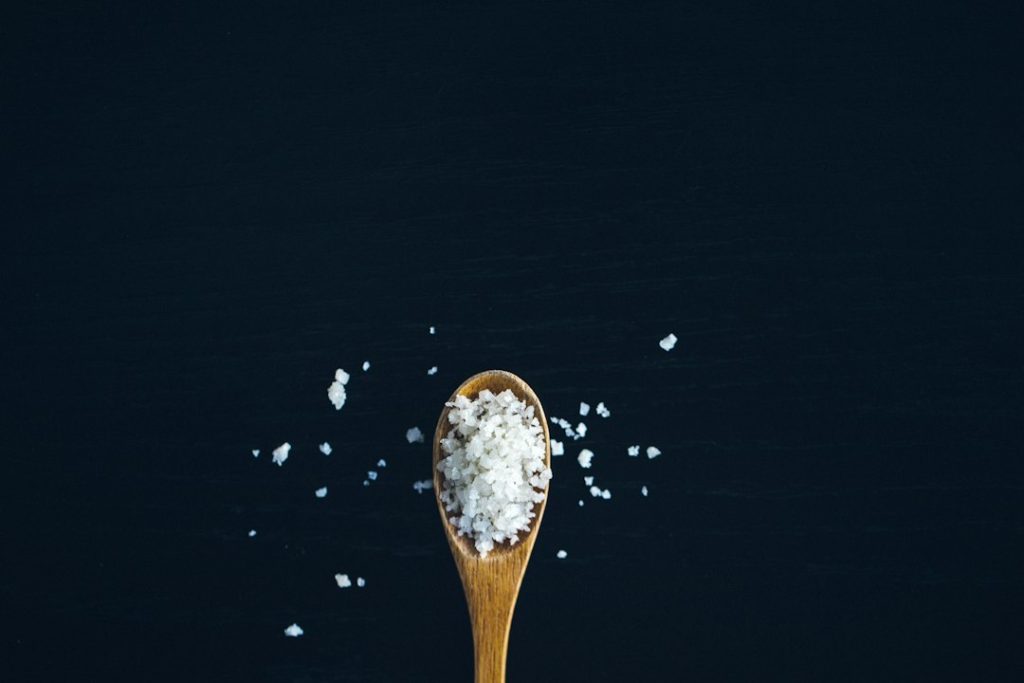
The quest for the perfect crunch and a whisper of the ocean’s minerality often leads chefs and home cooks alike to the humble, yet transformative, finishing salt. This isn’t about the salt that forms the backbone of your broth or the brine for your pickles; it’s about the final flourish, the delicate sprinkle that awakens the palate and elevates a dish from good to exceptional. In this comprehensive guide, we delve into the world of artisanal finishing sea salts, exploring their unique characteristics, how they impact flavor and texture, and which ones deserve a place in your culinary arsenal.
| Salt Name | Type | Texture | Primary Flavor Profile | Best Use Cases | Price Range (USD) |
|---|---|---|---|---|---|
| Maldon Sea Salt Flakes | Sea Salt Flakes | Light, crisp flakes | Clean, mild salinity | General finishing, salads, roasted vegetables, grilled meats | $6 – $10 (8.5oz) |
| Fleur de Sel from Guérande | Sea Salt Crystals | Moist, delicate crystals | Subtly sweet, briny, complex | Seafood, delicate vegetables, finishing | $10 – $15 (4.4oz) |
| Jacobsen Salt Co. Flake Sea Salt | Sea Salt Flakes | Large, irregular flakes | Pure, bright salinity with mineral notes | Baking, desserts, finishing | $8 – $12 (8oz) |
| Hickory Smoked Sea Salt by SaltWorks | Smoked Sea Salt Flakes | Flaky, infused with smoke | Rich, smoky, savory | Meats, BBQ, roasted root vegetables | $7 – $11 (7oz) |
| Black Truffle Salt | Infused Sea Salt | Crystals with truffle essence | Earthy, pungent truffle with salinity | Eggs, pasta, potatoes, mushrooms, finishing | $15 – $25 (4oz) |
| Himalayan Pink Salt Coarse Grains | Rock Salt | Coarse, crystalline grains | Mild, earthy, distinct minerality | Grilling, finishing, salt blocks | $5 – $9 (1lb) |
| Celtic Sea Salt (Fine or Coarse) | Sea Salt Crystals | Moist, granular | Savory, mineral-rich, slightly tangy | General seasoning, baking, finishing | $4 – $8 (1lb) |
| Smoked Paprika & Chili Sea Salt | Infused Sea Salt | Crystals with spice infusion | Smoky, spicy, savory | Meats, eggs, tacos, roasted vegetables | $9 – $14 (6oz) |
| Diamond Crystal Sea Salt Flakes | Sea Salt Flakes | Very fine, hollow flakes | Clean, pure salinity | General finishing, delicate applications | $3 – $6 (1.5lb box) |
| Cyprus Flake Sea Salt | Sea Salt Flakes | Pyramid-shaped flakes | Clean, light salinity | Fish, salads, vegetables, finishing | $8 – $13 (4oz) |
Why Finishing Salts Matter: Beyond Basic Seasoning
The difference between a good dish and a great one often lies in the details. While salt is fundamental to cooking, a finishing salt introduces a layer of complexity that simply can’t be achieved through standard seasoning. It’s the final touch that enhances, balances, and provides a delightful textural contrast.

The Role of Texture: Adding the Perfect Crunch
One of the most immediate and satisfying contributions of a finishing salt is its texture. Unlike fine table salt that dissolves almost instantly, finishing salts, particularly flakes and larger crystals, provide a noticeable, pleasant crunch. This textural element is crucial, especially for dishes that might otherwise lack dimension. Imagine a perfectly seared steak, a ripe tomato salad, or even a simple avocado toast: a scattering of flaky sea salt not only adds flavor but also a delightful resistance to the bite, a moment of crispness that punctuates each mouthful. This crunch can transform the mouthfeel of a dish, making each bite more engaging and enjoyable.
Unlocking Flavor: Mineral Depth and Nuance
Sea salt, in its purest forms, is more than just sodium chloride. It contains trace minerals absorbed from the seawater it originates from, such as magnesium, potassium, and calcium. These minerals, present in varying amounts depending on the salt’s origin and how it’s harvested, contribute subtle nuances to the flavor profile. Some finishing salts offer a clean, bright salinity, while others boast a more complex, briny, or even slightly sweet character. This minerality can complement and enhance the inherent flavors of food, adding depth and a certain “terroir” that finer-grained salts often lack. The right finishing salt can draw out sweetness in vegetables, round out the richness of fatty meats, or provide a counterpoint to acidic components.
Elevating Presentation: The Visual Appeal of Sea Salt
Beyond taste and texture, finishing salts play a significant role in the visual presentation of food. The varying shapes and colors of artisanal salts—from the delicate, glistening flakes of Maldon to the rosy hue of Himalayan pink salt or the stark black of truffle salt—add an element of artistry. A sprinkle of these salts can create a visually appealing contrast against the food, highlighting its textures and colors. This final aesthetic touch signals care and intention, making the dish more inviting and appetizing before the first bite is even taken.
Top Artisanal Finishing Sea Salts for Every Palate
The world of artisanal finishing salts is vast, with each product offering a unique experience. Here are some of the most highly regarded options, catering to diverse tastes and culinary applications.
Maldon Sea Salt Flakes
⚖️ Origin: Maldon, Essex, UK
💎 Crystal Shape: Irregular, hollow flakes
👍 Pros
- Distinctive, light, and crisp flake texture
- Clean, pure salinity that doesn’t overpower
- Excellent for general finishing across many dishes
- Visually appealing, adds a gourmet touch
👎 Cons
- Can be slightly more expensive than standard salts
- Flakes can sometimes clump if exposed to humidity
Maldon salt is harvested using traditional methods dating back to 1882, where seawater is evaporated in large, shallow pans. This process results in distinctive, pyramid-shaped (though often described as flake-like) crystals that are light and brittle. Its clean taste and satisfying crunch make it a go-to finishing salt for professional chefs and home cooks alike. Widely available and recognized for its consistent quality.
Maldon Sea Salt Flakes have set the benchmark for finishing salts worldwide. Their unique production method yields delicate, yet substantial, flakes that provide an unparalleled crunch. Unlike fine salts that can create a harsh, overpowering salinity, Maldon’s flakes dissolve gently on the tongue, delivering a clean, bright burst of flavor. This makes them incredibly versatile, suitable for everything from a simple salad dressing and roasted vegetables to finishing grilled steaks, baked fish, or even adding a textural element to delicate desserts. The visual appeal of these glistening flakes also adds a professional polish to any dish. While its price point is higher than basic table salt, its performance and flavor contribution justify the investment for anyone serious about enhancing their cooking.

Fleur de Sel from Guérande
⚖️ Origin: Guérande, Brittany, France
💎 Crystal Shape: Delicate, moist, irregular crystals
👍 Pros
- Complex, subtly sweet, and briny flavor profile
- Adds a delicate crunch and moist texture
- Ideal for seafood and delicate ingredients
- Harvested by hand, considered a premium product
👎 Cons
- Higher price point due to labor-intensive harvesting
- Moist crystals can clump more readily than dry flakes
- Subtle flavor might be lost on heavily seasoned dishes
Fleur de Sel, meaning “flower of salt,” is a delicate salt that forms on the surface of shallow seawater pools during the summer months. It is carefully hand-harvested using traditional wooden rakes, a process that requires specific weather conditions (sun, low wind, and warm temperatures). This artisanal method preserves the salt’s moisture and trace minerals, contributing to its unique flavor and texture. Guérande is one of the most famous regions for producing high-quality Fleur de Sel.
Hailing from the salt marshes of Brittany, France, Fleur de Sel de Guérande is often lauded as one of the world’s finest finishing salts. Its name translates to “flower of salt,” aptly describing the delicate, lacy crystals that form on the surface of the brine. Unlike the dry, brittle flakes of Maldon, Fleur de Sel typically has a slightly moist, crystalline texture that dissolves with a subtle, satisfying pop. Its flavor is remarkably complex—cleanly saline, yet with underlying notes of sweetness and a distinctive briny depth that speaks of its marine origin. This complexity makes it particularly suited for enhancing the natural flavors of delicate ingredients, especially seafood like oysters, scallops, and grilled fish. It also performs beautifully on fresh vegetables, simple salads, and even certain baked goods where its nuanced salinity can shine without being overshadowed. The careful, manual harvesting process contributes to its premium status and price, making it a treasure for discerning cooks.
Jacobsen Salt Co. Flake Sea Salt
⚖️ Origin: Netarts Bay, Oregon, USA
💎 Crystal Shape: Large, irregular, flaky
👍 Pros
- Pure, bright salinity with noticeable mineral undertones
- Satisfyingly crisp flake texture
- Excellent for both savory and sweet applications
- Sustainably harvested from Oregon’s Netarts Bay
👎 Cons
- Can be prone to clumping if stored improperly
- Price point is moderate to high
Jacobsen Salt Co. produces its salt by evaporating pure seawater from Netarts Bay, an estuary known for its rich marine life and clean waters. They use a solar-evaporation process combined with a proprietary low-temperature, open-air drying method. This approach aims to retain the natural mineral content and delicate flavor of the pristine Pacific Northwest seawater. The resulting flakes are substantial and have a clean taste.
Jacobsen Salt Co. has carved out a significant niche in the artisanal salt market, and their Flake Sea Salt is a prime example of their commitment to quality. Sourced from the mineral-rich waters of Netarts Bay on the Oregon coast, this salt is crafted using a careful evaporation process that preserves the delicate balance of minerals. The result is a flake salt with a bright, clean salinity that is both pure and nuanced. The flakes themselves are substantial and possess a delightful crispness, providing a satisfying textural contrast when used as a finishing salt. What sets Jacobsen’s flake salt apart is its remarkable versatility; it performs exceptionally well on savory dishes, enhancing everything from grilled meats and roasted vegetables to simple salads. However, its pure flavor profile and crisp texture also make it an outstanding choice for baking and desserts, where it can add a sophisticated touch to cookies, cakes, and pastries without imparting any undesirable bitterness. This dual-purpose excellence, combined with its attractive packaging and Pacific Northwest origin story, makes it a strong contender for those seeking a high-quality, American-made finishing salt.

Hickory Smoked Sea Salt by SaltWorks
⚖️ Origin: Pacific Northwest, USA (Salt); Hickory Wood (Smoking)
💎 Crystal Shape: Flaky, infused with smoke
👍 Pros
- Rich, authentic hickory smoke flavor
- Adds depth and complexity to savory dishes
- Satisfying flaky texture
- Made from high-quality sea salt
👎 Cons
- Smoke flavor can be overpowering if overused
- Not suitable for delicate or sweet dishes
- Can impart a brownish hue to food
SaltWorks uses a proprietary cold-smoking process to infuse high-quality Pacific sea salt with the authentic flavor of aged hickory wood. This method ensures the smoke flavor is robust and natural, without artificial additives. The salt is typically a blend of coarse and flaky crystals, providing both texture and a strong smoky aroma and taste. SaltWorks is a major supplier of gourmet salts, known for their consistent quality and variety.
For those who love the deep, resonant flavor of smoke, SaltWorks Hickory Smoked Sea Salt is an exceptional choice. This salt isn’t just salty; it’s a flavor powerhouse, delivering the unmistakable aroma and taste of genuine hickory wood smoke. The process involves cold-smoking high-quality sea salt flakes, ensuring that the smoke permeates the crystals without cooking them, preserving their integrity and texture. The resulting flakes are substantial and provide a pleasant crunch, but it’s the pervasive, rich smokiness that defines this salt. It’s a transformative ingredient for any dish that benefits from a smoky dimension. Steaks, pork chops, chicken, and burgers are obvious candidates, where the smoke flavor complements the char and richness of the meat. Roasted root vegetables, grilled corn, and even hearty bean soups gain incredible depth from a sprinkle of this salt. It’s also surprisingly effective in rubs and marinades. However, its potent flavor means it should be used judiciously; a little goes a long way, and it’s generally not recommended for delicate fish, salads, or desserts where its robust character would dominate.
Black Truffle Salt
⚖️ Origin: Varies (Salt Base); Truffle Origin Varies
💎 Crystal Shape: Fine to medium crystals, often with visible truffle pieces/aroma
👍 Pros
- Intense, earthy aroma and flavor of black truffle
- Luxurious and decadent
- Transforms simple dishes into gourmet experiences
- Excellent on eggs, pasta, potatoes, and mushrooms
👎 Cons
- Can be expensive
- Artificial truffle flavor can be an issue in lower-quality versions
- Truffle aroma can dissipate over time
- Not suitable for all palates or dishes
High-quality black truffle salt typically uses a blend of sea salt (often fine or medium grain) and finely ground dried black truffles or truffle essence. The key is the quality and concentration of the truffle component. Reputable brands use natural truffle ingredients. The salt acts as a carrier for the potent truffle flavor and aroma. It’s crucial to check ingredient lists, as some products rely heavily on artificial truffle flavorings, which can taste synthetic.
The allure of truffle is undeniable, and black truffle salt offers an accessible way to infuse that luxurious, earthy essence into everyday cooking. When made with genuine black truffles (or high-quality natural truffle oils), this salt delivers a potent aromatic punch that immediately elevates dishes. The salt base, often a fine or medium grain, ensures even distribution, while the truffle component provides a deep, musky, and umami-rich flavor. It’s particularly magical when paired with ingredients that naturally complement mushrooms and earthy notes. Fried or scrambled eggs, homemade pasta dishes, risotto, roasted potatoes, French fries, and sautéed mushrooms are prime candidates. A light dusting can transform these humble foods into something truly special. The challenge with truffle salt lies in its quality variation; lower-end products often use artificial flavorings that can taste acrid or chemical. For the best experience, seek out brands that clearly state the use of real truffles. Proper storage in an airtight container is essential to preserve the volatile truffle aroma, which can fade over time.

Himalayan Pink Salt Coarse Grains
⚖️ Origin: Khewra Salt Mine, Punjab, Pakistan
💎 Crystal Shape: Coarse, crystalline grains
👍 Pros
- Distinctive rosy hue adds visual appeal
- Complex mineral flavor profile beyond basic salinity
- Coarse grains provide a good crunch
- Versatile; used for cooking, finishing, and salt blocks
👎 Cons
- Minerality can be perceived as slightly metallic by some
- Coarse grains may not be suitable for all applications without grinding
- Availability of trace minerals can vary between batches
Himalayan pink salt is a type of rock salt mined from the Punjab region of Pakistan, near the Himalayas. Its characteristic pink color comes from trace amounts of iron oxide and other minerals. It is minimally processed, retaining a complex array of minerals (reportedly up to 84 different types, though in very small quantities). Coarse grains are often preferred for finishing to provide texture, while finer grinds are available for general cooking. Its purity is often cited as a benefit, though the exact mineral content and its perceptible flavor impact are subjects of discussion among culinary experts.
Himalayan Pink Salt has gained immense popularity, largely due to its striking rosy hue and the marketing around its supposed purity and extensive mineral content. Mined from ancient salt deposits in Pakistan, these coarse grains offer a clean salinity coupled with a distinct minerality that sets them apart from standard sea salts. The flavor is often described as milder and earthier than typical sea salt, with a subtle sweetness and a slightly metallic tang from the iron oxide responsible for its color. The coarse crystals provide a satisfying crunch, making it suitable as a finishing salt for grilled meats, roasted vegetables, and hearty salads. Beyond finishing, its coarse nature lends itself well to use on salt blocks for cooking and serving, allowing for even heat distribution and a unique presentation. While the exact health benefits or profound flavor differences attributed to its wide array of trace minerals are debated, its unique appearance and palatable flavor profile make it a visually appealing and texturally pleasing option for many culinary applications. Ensure you purchase from reputable sources to guarantee authenticity and avoid excessive processing.
Celtic Sea Salt (Fine or Coarse)
⚖️ Origin: Guérande, Brittany, France (often associated with French sea salt marshes)
💎 Crystal Shape: Moist, granular, slightly irregular
👍 Pros
- Rich, savory, and mineral-forward flavor
- Noticeable moisture content aids in retaining minerals
- Versatile for cooking and finishing
- Generally more affordable than Fleur de Sel
👎 Cons
- Moist texture can lead to clumping
- Flavor is more pronounced, may not suit all delicate dishes
- Coarse grains might need grinding for some uses
Celtic Sea Salt is harvested from the salt marshes of France using methods similar to those used for Fleur de Sel, but it includes the entire mineral-rich brine. It is typically air-dried and retains a significant amount of its natural moisture and trace minerals, including magnesium, potassium, and calcium. This results in a salt that is grayish in appearance and has a distinctively savory flavor profile. It’s often promoted for its health benefits due to its mineral complexity, though it remains primarily sodium chloride.
Often found alongside its more delicate cousin, Fleur de Sel, Celtic Sea Salt offers a robust alternative from the same pristine French salt marshes. What distinguishes Celtic Sea Salt is that it’s harvested from the bottom layers of the salt pans, capturing a broader spectrum of trace minerals and retaining a higher moisture content. This gives it a characteristic grayish hue and a moist, granular texture that can feel slightly sticky. Its flavor is profoundly savory and mineral-rich, with a subtle tanginess that complements a wide range of foods. Unlike the crisp, light texture of flakes, Celtic Sea Salt provides a more substantial, crystalline crunch, especially in its coarser form. This makes it an excellent all-purpose salt that functions beautifully both in cooking—where its mineral complexity can enhance broths and stews—and as a finishing salt. It pairs exceptionally well with roasted meats, hearty vegetables, and even robust breads. Its versatility and comparatively accessible price point make it a staple for those seeking a flavorful, mineral-dense salt without the premium cost associated with hand-harvested surface salts.
Smoked Paprika & Chili Sea Salt
⚖️ Origin: Varies (Salt Base); Smoked Paprika & Chili
💎 Crystal Shape: Crystals with visible spice flecks
👍 Pros
- Complex flavor profile: smoky, spicy, savory
- Adds both heat and depth
- Visually appealing with flecks of spice
- Great for grilled meats, eggs, and Tex-Mex/Latin cuisine
👎 Cons
- Spice level can vary and may be too intense for some
- Not suitable for delicate or sweet dishes
- Potential for uneven distribution if not mixed well
This type of salt typically combines a quality sea salt base (often coarse or flake) with high-quality smoked paprika and chili powder or flakes. The smoking process for the paprika adds a layer of smoky depth, while the chili provides varying levels of heat. The combination creates a robust flavor profile designed to complement savory dishes. Careful sourcing ensures a balanced blend of salt, smoke, and spice.
For those who like a little excitement with their seasoning, Smoked Paprika & Chili Sea Salt delivers a compelling trifecta of flavors: smoky, spicy, and savory. This blend typically starts with a good quality sea salt base, often coarse or flaky to provide texture, which is then infused with aromatic smoked paprika and fiery chili. The smoked paprika lends a deep, complex smokiness that is more nuanced than plain liquid smoke, while the chili adds a kick of heat that can range from a gentle warmth to a significant burn, depending on the specific blend. This salt is a fantastic finishing touch for dishes that can handle bold flavors. Think grilled chicken, pork ribs, steak, or even burgers. It adds an immediate layer of interest to roasted potatoes, corn on the cob, and vegetable skewers. It’s also a revelation sprinkled over fried eggs or avocado toast for a spicy, smoky start to the day. If you enjoy Tex-Mex, Latin, or Cajun-inspired cuisine, this salt is a natural fit. Be mindful of the heat level, and adjust usage accordingly, especially if serving guests with varying spice tolerances.
Diamond Crystal Sea Salt Flakes
⚖️ Origin: USA
💎 Crystal Shape: Very fine, hollow, pyramid-shaped flakes
👍 Pros
- Extremely light and dissolves easily
- Pure, clean salinity with minimal mineral aftertaste
- Highly versatile for delicate applications
- Affordable and widely available
👎 Cons
- Less substantial crunch compared to Maldon or other flakes
- Flavor is very neutral, may be too subtle for some
- Packaging (cardboard box) can be susceptible to humidity
Diamond Crystal is a brand primarily known for its kosher salt, but their fine sea salt flakes offer a unique texture. Unlike the larger, more robust flakes of Maldon, Diamond Crystal’s are notably finer and possess a hollow, pyramid shape, which contributes to their lightness and rapid dissolution. This characteristic makes them excellent for applications where a delicate seasoning is preferred, and a strong textural crunch is not the primary goal. They are produced through an evaporation process designed to create these specific flake structures.
Diamond Crystal Sea Salt Flakes might be less heralded than some of their artisanal counterparts, but they hold a unique and valuable place in the world of finishing salts, particularly for those who prefer subtlety and swift dissolution. Produced in the USA, these flakes are characterized by their incredibly fine, hollow, pyramid-like structure. This makes them exceptionally light and delicate, dissolving almost instantaneously on the tongue. While this means they don’t offer the same pronounced, brittle crunch as Maldon or other chunkier flakes, it makes them incredibly versatile for delicate dishes where an assertive texture isn’t desired. Their flavor is pure, clean, and bright, providing salinity without significant mineral complexity or aftertaste. This neutrality makes them ideal for finishing subtle dishes like delicate white fish, light vegetable preparations, or even as a gentle enhancer in baked goods where the salt shouldn’t dominate. Despite their fine texture, they still provide a more nuanced finish than fine-grain table salt. Their affordability and wide availability further add to their appeal, making them a practical choice for everyday use.
Cyprus Flake Sea Salt
⚖️ Origin: Cyprus
💎 Crystal Shape: Delicate, pyramid-shaped flakes
👍 Pros
- Light, airy, and delicate flake structure
- Clean, mild salinity
- Visually attractive, adding a decorative finish
- Dissolves easily on the palate
👎 Cons
- Less intense crunch than some other flake salts
- Flavor is quite neutral, may lack complexity for some
- Can be more expensive per ounce than common salts
Cyprus Flake Sea Salt is produced by carefully evaporating seawater, allowing delicate, pyramid-shaped flakes to form and float on the surface. These flakes are then gently harvested. The process results in a salt that is known for its lightness and clean taste. Its structure is similar to Maldon, but often perceived as even lighter and more delicate. Its visual appeal and mild flavor make it a popular choice for garnishing a variety of dishes.
Cyprus Flake Sea Salt is another excellent contender in the world of delicate finishing salts, admired for its distinctive pyramid-shaped flakes and clean flavor. Similar in structure to Maldon salt, these flakes are incredibly light and airy, offering a gentle crunch that dissolves smoothly. Sourced from the pristine waters around Cyprus, this salt undergoes a careful evaporation process that yields its signature crystalline form. The flavor is pure and straightforwardly saline, making it a fantastic choice when you want salt to enhance, rather than define, the dish. Its delicate nature means it won’t overpower subtle ingredients, making it perfect for garnishing fish, seafood, vibrant salads, and tender vegetables. The visual aspect is also noteworthy; the glistening, perfectly formed flakes add an elegant flourish to any plate, signaling a chef’s attention to detail. While it might lack the complex minerality of some artisanal salts, its purity, texture, and aesthetic appeal make Cyprus Flake Sea Salt a valuable addition to any discerning cook’s pantry.
How We Selected the Best Finishing Salts
Choosing the right finishing salt involves more than just picking one off the shelf. Our selection process was rigorous, aiming to identify salts that offer exceptional flavor, texture, and value, backed by verifiable information and culinary consensus.
Rigorous Tasting Criteria
Our evaluation focused on several key attributes: the purity and complexity of the salinity, the distinctiveness of the mineral notes (if any), the quality and consistency of the texture (crunch, dissolution), the visual appeal of the crystals, and the overall versatility across different types of cuisine. We considered salts that offer a clear advantage over standard table salt or kosher salt.
Blind Taste Test Methodology
To ensure objectivity, multiple culinary experts participated in blind taste tests. Samples of various finishing salts were presented without branding. Participants rated each salt based on the predefined criteria, focusing solely on sensory experience. This method helps eliminate brand bias and allows the inherent qualities of the salts to be the primary factors in evaluation.
Expert Culinary Panel Insights
Beyond sensory evaluation, we consulted with professional chefs and food writers to gather insights on real-world application, historical significance, harvesting methods, and potential drawbacks. This provided a broader context, helping us understand the nuances of each salt’s place in the culinary landscape and its perceived value.
How to Use Finishing Salts Effectively
The art of finishing salt lies in its judicious application. Using it correctly can elevate a dish, while overuse can detract from its potential.
Pairing Salts with Dishes
Consider the dominant flavors and textures of your dish. Flaky salts like Maldon are excellent all-rounders. Delicate, moist salts like Fleur de Sel pair beautifully with seafood. Smoked or spiced salts are best suited for robust meats and vegetables. Truffle salts require dishes that can stand up to their intense aroma.
Techniques for Application
The golden rule is to add finishing salt just before serving. Use your fingers to sprinkle the salt evenly over the surface of the food. This ensures the salt crystals retain their texture and provide a burst of flavor with each bite. For larger flakes, pinch them between your fingers to break them up slightly for better distribution.
Storage Best Practices
Store finishing salts in airtight containers in a cool, dry place, away from direct sunlight and strong odors. This is particularly important for moist salts (like Fleur de Sel or Celtic Sea Salt) to prevent clumping, and for infused salts (like truffle or smoked salts) to preserve their aroma and flavor.
FAQ: Your Finishing Salt Questions Answered
Q: What is the difference between sea salt, kosher salt, and table salt?
A: Sea salt is derived from evaporated seawater and retains trace minerals, offering varied flavors and textures. Kosher salt has larger, irregular crystals with a clean taste and dissolves quickly. Table salt is finely ground and often contains anti-caking agents and iodine, giving it a harsher, metallic flavor.
Q: Can I use finishing salt for cooking?
A: While possible, it’s generally not recommended. Finishing salts are prized for their texture and nuanced flavor, which can be lost or altered during the cooking process. It’s more economical and effective to use standard salt for cooking and reserve finishing salts for the final touch.
Q: How do I know if a truffle salt is real?
A: Look for ingredients lists that specify “truffle,” “dried truffle,” or “truffle essence” derived from natural sources. Be wary of products that only list “truffle flavor” or “artificial flavor,” as these likely contain synthetic compounds that mimic truffle but lack the authentic depth.
Q: Are artisanal salts healthier than regular salt?
A: While artisanal salts contain trace minerals, the amounts are typically very small and unlikely to provide significant health benefits compared to the high sodium content. The primary advantage of artisanal salts lies in their flavor and texture, not their nutritional profile.