
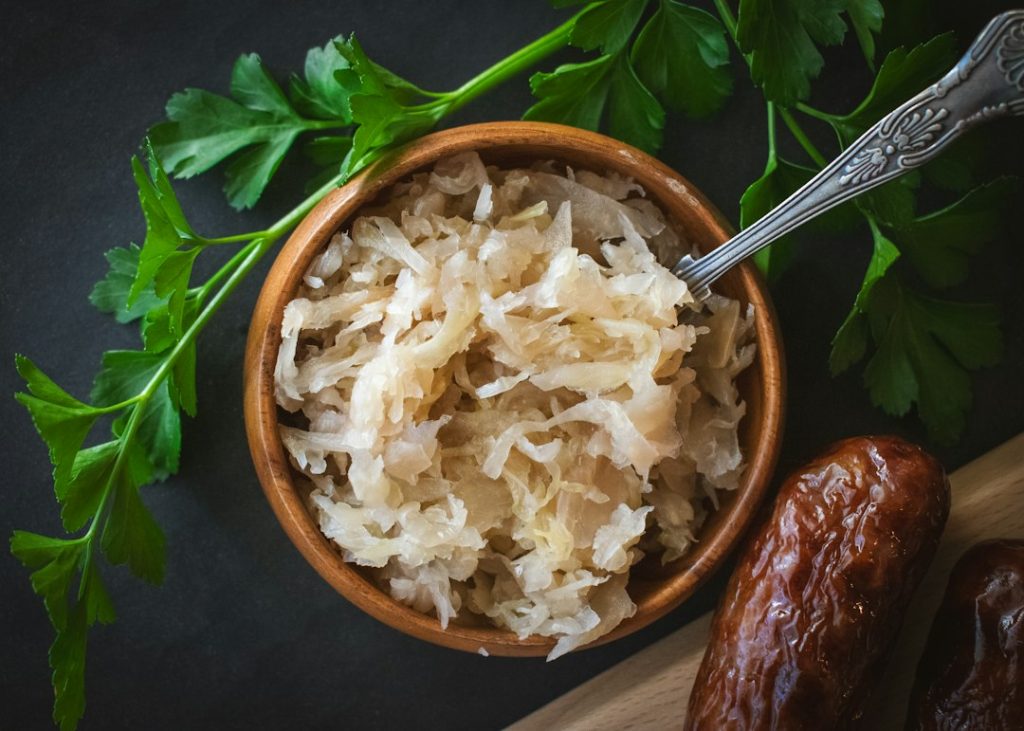
The fermented cabbage dish known as sauerkraut has transcended its humble origins to become a global culinary staple. However, not all sauerkraut is created equal, especially when it comes to its live probiotic content and overall culinary experience. This article pits raw, unpasteurized sauerkraut against its canned, cooked counterpart, dissecting their differences in probiotic viability, flavor, texture, nutritional profile, and shelf life. We aim to provide a clear, evidence-based comparison to help you make the most informed choice for your gut health and your palate.
The Core Difference: Understanding Sauerkraut Preservation Methods
At its heart, sauerkraut is a product of lacto-fermentation, a process where lactic acid bacteria naturally present on cabbage convert sugars into lactic acid. This acid acts as a preservative, giving sauerkraut its characteristic tangy flavor and extending its shelf life. The critical divergence between raw and canned versions lies in how this preservation is achieved and whether the beneficial bacteria survive the process.
Raw Unpasteurized Sauerkraut: The Fermented Powerhouse
Raw, unpasteurized sauerkraut is made by fermenting shredded cabbage with salt in an anaerobic environment. This traditional method allows the natural population of lactic acid bacteria, primarily *Lactobacillus* species, to thrive and multiply. These live cultures are the stars of the show, contributing significantly to the sauerkraut’s health benefits. It is typically found in the refrigerated section of grocery stores, often in glass jars or pouches, and requires continuous refrigeration to maintain its live culture activity.

Canned Cooked Sauerkraut: Convenience Meets Pasteurization
Canned or jarred cooked sauerkraut undergoes a different journey. After fermentation, it is typically heated and sealed in cans or jars. This heating process, often referred to as pasteurization, is designed to kill off any spoilage microorganisms, extend shelf life considerably, and create a shelf-stable product that doesn’t require refrigeration until opened. While this method ensures safety and long-term storage, it comes at a significant cost to the live probiotic cultures that are sensitive to heat.
Probiotic Survival Rates: A Deep Dive into Live Cultures
The primary health appeal of sauerkraut often lies in its probiotic content. However, the presence and viability of these beneficial bacteria are heavily influenced by the preservation method. Understanding the impact of heat and processing is crucial for discerning true probiotic benefits.
The Impact of Pasteurization on Probiotics
Pasteurization, by its very definition, involves heating a product to kill harmful microorganisms. Unfortunately, this heat treatment is indiscriminate and also destroys many of the beneficial live bacteria that are the hallmark of fermented foods. Studies consistently show a drastic reduction, often complete elimination, of viable probiotic cultures in pasteurized sauerkraut. For instance, research has indicated that while raw sauerkraut can contain billions of Colony Forming Units (CFUs) per serving, canned versions often contain negligible amounts, if any, of live probiotics post-processing.
Key Bacterial Strains in Raw Sauerkraut and Their Viability
Raw sauerkraut is a rich source of diverse lactic acid bacteria, with *Lactobacillus plantarum*, *Lactobacillus brevis*, and *Leuconostoc mesenteroides* being among the most prevalent. These bacteria are not only responsible for fermentation but also offer a range of health benefits, including supporting gut health, aiding digestion, and potentially boosting the immune system. In raw, unpasteurized varieties, these strains remain viable, actively contributing to the food’s probiotic power. The CFU count can vary significantly based on the specific fermentation process and handling, but typically ranges from 10^6 to 10^9 CFUs per gram in well-fermented raw products.

Can Canned Sauerkraut Offer Probiotic Benefits?
In short, canned cooked sauerkraut generally offers minimal to no direct probiotic benefits due to the heat treatment during canning. While the fermentation process initially produces beneficial bacteria, the subsequent cooking or pasteurization effectively neutralizes them. Any potential health benefits from canned sauerkraut would primarily stem from its fiber content and other non-probiotic nutrients, rather than live microbial action. Consumers specifically seeking probiotic advantages should exclusively opt for refrigerated, unpasteurized varieties.
| Feature | Raw Unpasteurized Sauerkraut | Canned Cooked Sauerkraut |
|---|---|---|
| Primary Preservation | Lacto-fermentation | Heat treatment (Pasteurization) & Sealing |
| Live Probiotic Cultures (CFUs/serving) | Billions (highly variable, e.g., 10^7 – 10^9) | Negligible to Zero |
| Key Bacterial Strains | Viable *Lactobacillus* spp., *Leuconostoc* spp., etc. | Inactivated / Destroyed |
| Refrigeration Required | Yes (prior to opening and after) | No (until opened) |
| Typical Location | Refrigerated section | Pantry aisle |
Culinary Characteristics: Taste, Texture, and Versatility
Beyond the microscopic world of bacteria, the sensory experience of sauerkraut plays a significant role in its appeal. The differences in processing methods lead to distinct taste and texture profiles, influencing how each type is best utilized in the kitchen.
Flavor Profiles: Tangy & Complex vs. Mild & Cooked
Raw, unpasteurized sauerkraut boasts a vibrant, complex flavor profile. It’s intensely tangy, with a depth of sourness that comes from active fermentation. Subtle spicy or even slightly cheesy notes can emerge depending on the cabbage used and the specific fermentation environment. Canned cooked sauerkraut, on the other hand, offers a much milder, softer, and often sweeter flavor. The cooking process mellows the acidity and can impart a slightly “cooked vegetable” taste, losing much of the zesty complexity of its raw counterpart.
Texture Comparison: Crisp & Crunchy vs. Soft & Mellow
The texture of raw sauerkraut is typically crisp and crunchy, retaining the bite of the fresh cabbage. This provides a satisfying textural contrast in dishes. The live fermentation process, when managed correctly, preserves this desirable firmness. Canned sauerkraut, having been subjected to heat and pressure, usually has a much softer, almost mushy texture. The cabbage strands are more yielding, lacking the characteristic crunch that many associate with well-prepared sauerkraut.
Kitchen Applications: Raw for Gut Health, Cooked for Simplicity
The distinct characteristics lend themselves to different culinary roles. Raw unpasteurized sauerkraut is best used in applications where its live cultures and vibrant flavor can be appreciated without being diminished by heat. Think of it as a potent condiment, a vibrant topping for sandwiches, salads, and bowls, or a side dish meant to be consumed cold or lightly warmed. Canned cooked sauerkraut, with its softer texture and milder flavor, is more forgiving when incorporated into cooked dishes. It can be added to stews, braised meats (like sausages or pork shoulder), casseroles, or used as a base for hearty, comforting meals where its flavor melds into the dish.
Raw Unpasteurized Sauerkraut
Pros:
- Rich in live probiotic cultures for gut health
- Complex, tangy, and vibrant flavor profile
- Crisp and crunchy texture
- Higher nutrient density (potentially less vitamin loss)
Cons:
- Shorter shelf life; requires constant refrigeration
- Can be too intense for some palates
- More expensive and less widely available
- Sensitive to heat – cannot be cooked
Canned Cooked Sauerkraut
Pros:
- Extremely long shelf life; shelf-stable
- Mild flavor, suitable for cooking
- Softer texture, integrates well into dishes
- Widely available and budget-friendly
Cons:
- Devoid of live probiotic cultures
- Milder, less complex flavor
- Soft, often mushy texture
- Potential for nutrient degradation from heating
Nutritional Breakdown: Beyond the Probiotics
While probiotics are a major draw, sauerkraut, in general, is a nutritious food. However, processing methods can influence the levels of other key nutrients.
Vitamin and Mineral Content: A Comparative Analysis
Both raw and canned sauerkraut are good sources of Vitamin C and Vitamin K. Raw sauerkraut typically retains higher levels of Vitamin C, as this vitamin is heat-sensitive and can degrade during the pasteurization process. For example, raw sauerkraut might contain around 20-30 mg of Vitamin C per 100g, whereas canned versions could be significantly lower. Both forms provide minerals like iron, potassium, and manganese. The sodium content can be high in both, depending on the salt used during fermentation.
Fiber and Other Beneficial Compounds
Sauerkraut is an excellent source of dietary fiber, which is crucial for digestive health, promoting regularity, and supporting a healthy gut microbiome. Fiber content remains largely intact in both raw and canned versions, as it is not significantly affected by the heating process. Additionally, fermented cabbage contains beneficial compounds like glucosinolates, which are sulfur-containing compounds found in cruciferous vegetables and are being studied for their potential health-promoting properties.
Shelf Life and Storage: Practical Considerations
The intended use and storage availability often dictate which type of sauerkraut is more practical for a given consumer.
Storing Raw Sauerkraut for Optimal Fermentation
Raw, unpasteurized sauerkraut must be kept consistently refrigerated. Exposure to warmer temperatures can halt fermentation and potentially lead to spoilage or the growth of undesirable microbes. Even in the refrigerator, its “best by” date is typically much shorter than its canned counterpart, often within a few months. It’s crucial to ensure the sauerkraut remains submerged in its brine to prevent drying out and to maintain an anaerobic environment. Proper storage ensures the continued viability of its probiotic cultures.
Shelf Stability of Canned Cooked Sauerkraut
The major advantage of canned cooked sauerkraut is its exceptional shelf stability. Once sealed, it can be stored in a cool, dark pantry for years, often well beyond its printed expiration date, without significant loss of quality. Once opened, however, it must be transferred to a suitable container, refrigerated, and consumed within a week or two, similar to other canned goods.
Making the Choice: Which Sauerkraut is Right for You?
The decision between raw unpasteurized and canned cooked sauerkraut hinges on your priorities: gut health, culinary application, convenience, or budget.
Prioritizing Probiotics: When Raw Reigns Supreme
If your primary goal is to leverage the potent probiotic benefits of sauerkraut for digestive health and immune support, raw, unpasteurized sauerkraut is the unequivocal choice. Its live cultures offer a direct pathway to enhancing your gut microbiome. Pair this with its vibrant flavor and crisp texture, and it becomes an indispensable part of a health-conscious diet. Best suited for those who actively seek fermented foods for therapeutic reasons, enjoy intensely tangy flavors, and have reliable refrigeration.
Seeking Convenience and Mild Flavor: The Case for Canned
For consumers prioritizing long shelf life, ease of storage, budget-friendliness, and a milder flavor profile suitable for incorporating into cooked dishes, canned cooked sauerkraut is the practical option. It delivers the characteristic taste and texture of sauerkraut in a convenient, shelf-stable format, making it ideal for everyday cooking and pantry stocking. Best for busy home cooks, those new to sauerkraut who may find the raw version too intense, or for recipes requiring the sauerkraut to be heated.

Balancing Taste, Nutrition, and Gut Health
The ultimate “winner” depends entirely on individual needs and preferences. Raw sauerkraut offers unparalleled probiotic benefits and a complex flavor, making it a powerhouse for health-conscious individuals. Canned sauerkraut provides convenience and a milder taste suitable for cooking, albeit without the live cultures. Consider your personal dietary goals, how you plan to use sauerkraut in your meals, and your willingness to manage refrigerated storage when making your selection. For a truly comprehensive sauerkraut experience, incorporating both – raw for its probiotic punch and canned for its culinary versatility – might be the most balanced approach.
👑 Ultimate Winner: Raw Unpasteurized Sauerkraut (for Gut Health)
For those prioritizing the significant health advantages derived from live probiotic cultures, raw unpasteurized sauerkraut is the superior choice. Its rich microbial profile directly supports gut health, offering a potent dose of beneficial bacteria that canned, cooked varieties simply cannot match due to heat inactivation. While it demands refrigeration and has a shorter shelf life, the tangible benefits for digestive wellness and immune function make it the champion for health-focused consumers. Its complex flavor and crisp texture also elevate it as a culinary ingredient when used appropriately. Consumers seeking convenience and a milder taste for cooking might opt for canned, but for the core value proposition of sauerkraut as a fermented, probiotic-rich food, raw is undeniably the winner.