Choosing between Olipop and Poppi for your daily dose of gut-friendly fizz? You’re not alone. These prebiotic sodas have surged in popularity, promising digestive benefits with a satisfying soda-like experience. But when you look beyond the colorful cans, how do they stack up in terms of ingredients, sweetness, and genuine gut health support? This deep dive dissects the core components and flavor profiles of both, equipping you with the knowledge to make an informed choice for your microbiome.
The Rise of Prebiotic Sodas: Gut Health in a Can
The wellness industry has been captivated by the gut microbiome, recognizing its profound impact on everything from digestion and immunity to mood and metabolism. Prebiotics, non-digestible fibers that feed beneficial gut bacteria, have emerged as a key player in nurturing this internal ecosystem. Prebiotic sodas, like Olipop and Poppi, aim to deliver these fibers in a convenient and palatable format, positioning themselves as healthier alternatives to traditional sugary sodas. They leverage a blend of fiber sources, botanicals, and natural sweeteners to mimic the taste and texture of classic sodas while promoting a flourishing gut environment.
Olipop: Unpacking the Ingredients and Gut Health Claims
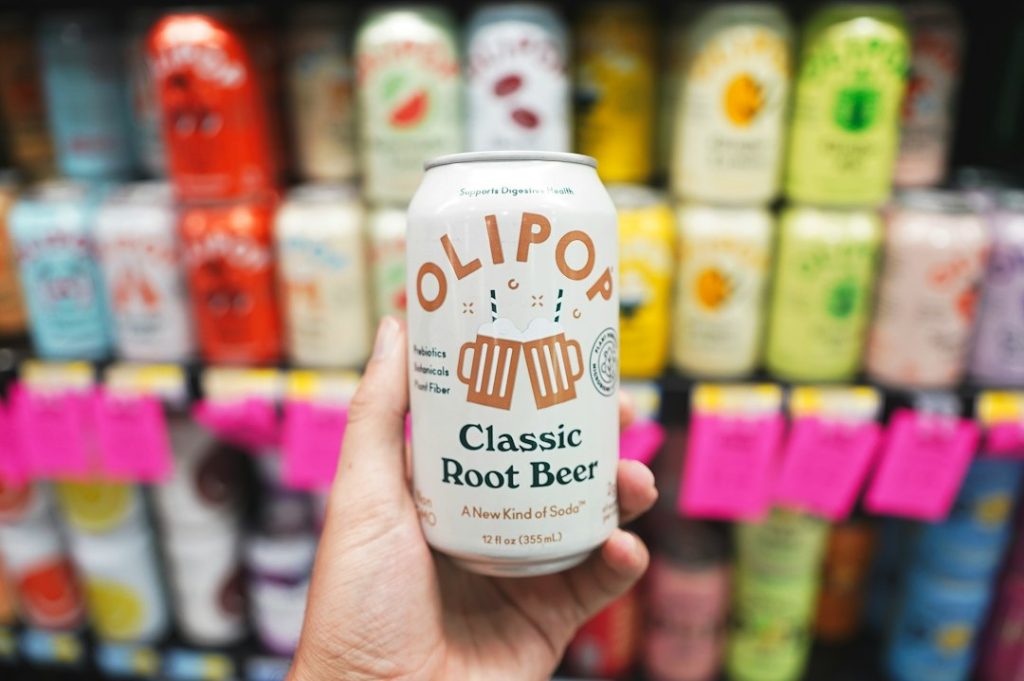
Olipop presents a diverse ingredient list, emphasizing a proprietary blend of prebiotic fibers and plant-based extracts. The brand aims for a nostalgic soda experience without the sugar crash, focusing on digestive wellness as a primary benefit.
Olipop’s Core Ingredients: Fiber, Botanicals, and Sweeteners
At the heart of Olipop’s formula are its prebiotic fibers, including soluble tapioca fiber, chicory root fiber, and Jerusalem artichoke fiber. These soluble fibers are fermented by gut bacteria, producing short-chain fatty acids (SCFAs) like butyrate, which are crucial for colon health. Beyond fiber, Olipop incorporates a range of botanical extracts such as marshmallow root, slippery elm, and artichoke, often associated with digestive soothing properties. Sweetness is achieved through a combination of stevia leaf extract and monk fruit extract, natural zero-calorie sweeteners.
Sweetness Profile: Natural vs. Artificial Sweetener Debate
Olipop relies on stevia and monk fruit to deliver its sweetness. While both are natural, zero-calorie options, they can have distinct taste profiles. Stevia can sometimes impart a slightly bitter or metallic aftertaste for some individuals, whereas monk fruit is generally perceived as having a cleaner, more neutral sweetness. The specific ratios and formulations aim to mitigate potential off-flavors, but individual sensitivity varies. This approach sidesteps traditional sugars and artificial sweeteners like aspartame or sucralose, appealing to consumers wary of these ingredients.
Gut Health Focus: Prebiotic Fiber and Digestive Benefits
Olipop’s primary gut health narrative is centered around its multi-fiber blend. By providing a diverse range of prebiotic fibers, the brand aims to support a wider spectrum of beneficial gut bacteria. The inclusion of ingredients like marshmallow root and slippery elm further bolsters its digestive wellness claims, with these botanicals traditionally used to calm and soothe the digestive tract. The brand positions itself as a tool for regular, comfortable digestion.

Poppi: A Closer Look at its Prebiotic Formula
Poppi differentiates itself with a core ingredient of apple cider vinegar (ACV), alongside inulin for prebiotic fiber. The brand emphasizes a lighter, more refreshing profile, often compared to sparkling juices or lighter sodas.
Poppi’s Key Components: Apple Cider Vinegar, Inulin, and Flavors
The star ingredient in Poppi is unfiltered apple cider vinegar, known for its acetic acid content and purported health benefits, including potential effects on blood sugar and digestion. Poppi also includes inulin, a common prebiotic fiber derived from chicory root, serving as its primary fuel for gut bacteria. The rest of the ingredient list typically features fruit juices or natural flavors for taste, along with a sweetener blend, often including erythritol and/or stevia.
The Taste Test: Sweetness Levels and Flavor Variety
Poppi generally offers a less intensely sweet profile compared to many traditional sodas and even some Olipop varieties. The tanginess of the ACV plays a significant role in its overall flavor perception, often balancing the sweetness. With a wide array of fruit-forward flavors, Poppi appeals to those seeking a more subtle sweetness and a zesty, refreshing beverage experience. Its flavor profiles are often brighter and fruitier.

Gut Health Angle: ACV’s Role and Prebiotic Support
Poppi’s gut health proposition is twofold: the prebiotic fiber from inulin and the potential benefits of apple cider vinegar. While inulin directly feeds gut bacteria, ACV’s role is more debated but is often linked to improved digestion and potential antimicrobial properties. Poppi positions ACV as a digestive aid that also contributes to the unique tartness of the beverage.
Direct Comparison: Olipop vs. Poppi – Ingredients Deep Dive
When laid side-by-side, Olipop and Poppi reveal distinct approaches to formulation, particularly concerning sweeteners, fiber sources, and overall ingredient philosophy.
Sweetener Showdown: Stevia, Erythritol, and Their Impact
Olipop exclusively uses stevia and monk fruit, both natural, zero-calorie sweeteners. This combination aims for a balanced sweetness without the digestive issues some experience with sugar alcohols. Poppi often incorporates erythritol, a sugar alcohol, alongside stevia. Erythritol is known for its minimal impact on blood sugar and relatively good digestive tolerance compared to other sugar alcohols, though some individuals can still experience bloating or gas. The choice between these sweetener profiles depends heavily on personal tolerance and preference.
Fiber Content: Which Offers More Gut Nourishment?
Olipop typically boasts a higher total prebiotic fiber content per serving, often ranging from 7-9 grams, derived from a blend of sources like soluble tapioca fiber, chicory root, and Jerusalem artichoke. Poppi generally contains around 2-5 grams of prebiotic fiber, primarily from inulin. While more fiber isn’t always better for everyone (especially those sensitive to FODMAPs), Olipop’s broader fiber spectrum may offer more diverse food sources for a wider range of gut bacteria. However, the specific type and fermentation characteristics of each fiber also play a role.
Other Notable Ingredients: Additives, Preservatives, and Allergens
Both brands aim for minimal additives. Olipop includes citric acid for flavor and preservation, and sometimes gum arabic or pectin for texture. Poppi also uses citric acid and may include fruit juice concentrates. Allergens should be checked carefully on individual labels; for instance, some Olipop flavors might contain coconut or other potential allergens depending on the specific formulation. Both brands generally avoid artificial colors and preservatives, aligning with health-conscious consumer demands.
| Feature | Olipop (Typical Serving) | Poppi (Typical Serving) |
|---|---|---|
| Prebiotic Fiber (g) | 7-9g (Soluble Tapioca Fiber, Chicory Root Fiber, Jerusalem Artichoke Fiber) | 2-5g (Inulin from Chicory Root) |
| Primary Sweeteners | Stevia Leaf Extract, Monk Fruit Extract | Erythritol, Stevia Leaf Extract |
| Key Differentiating Ingredient | Diverse Botanical Blend (Marshmallow Root, Slippery Elm, etc.) | Apple Cider Vinegar (ACV) |
| Acidity Regulator | Citric Acid | Citric Acid |
| Calories (Typical) | 35-45 kcal | 15-25 kcal |
| Sugar (g) | 2-5g (from fruit juice/extracts) | 0-2g (from fruit juice/extracts) |
The Sweetness Factor: Subjective vs. Objective Palate Analysis
Sweetness is inherently subjective, but the ingredients used by Olipop and Poppi create measurably different taste experiences.
How Sweet Is Too Sweet? Consumer Preferences
Olipop often registers as slightly sweeter and more closely mimics the flavor profile of traditional sodas, sometimes approaching a classic cola or root beer sweetness level, albeit with a subtle stevia/monk fruit nuance. Poppi, with its ACV tang and generally lower sweetener concentration, is perceived as less sweet and more refreshing, often described as tart or zesty. Consumer preference here splits between those seeking a near-identical soda replacement (Olipop) and those desiring a lighter, more sophisticated sparkling beverage (Poppi).
Natural Sweeteners vs. Sugar Alcohols: Health Implications
The health implications of sweeteners are a major consideration. Stevia and monk fruit are plant-derived and have minimal impact on blood glucose levels. Erythritol, a sugar alcohol, is also low-calorie and has a very low glycemic index, but can cause digestive upset in sensitive individuals due to fermentation in the gut. While both approaches avoid added sugars and artificial sweeteners, the potential for digestive discomfort with erythritol is a key differentiator for those with sensitive systems.
Decoding “Natural Flavors” in Prebiotic Sodas
Both brands utilize “natural flavors” to achieve their taste profiles. These are complex mixtures derived from natural sources (plants, fruits, spices) but undergo processing. While generally considered safe, the lack of specific transparency regarding the exact composition of “natural flavors” can be a point of concern for some consumers seeking ultimate ingredient clarity. This is an area where both brands could offer more detail.
Gut Health Efficacy: What the Science (and Your Gut) Says
While both products offer prebiotic benefits, their efficacy can vary based on individual gut microbiomes and sensitivities.
Prebiotic Benefits: Fueling Your Microbiome
The prebiotic fibers in both Olipop and Poppi serve as food for beneficial gut bacteria. Olipop’s diverse fiber blend might support a broader range of microbes, potentially leading to greater microbial diversity, a marker of a healthy gut. Poppi’s inulin is a well-researched prebiotic known to stimulate the growth of Bifidobacteria and Lactobacilli. The inclusion of ACV in Poppi may also have indirect benefits by modulating gut pH or influencing microbial composition, though more research is needed specifically on Poppi’s formulation.
Potential Side Effects and Digestive Sensitivities
The primary side effects relate to the sweeteners and fiber content. High fiber intake, especially from sources like inulin or soluble tapioca fiber, can cause gas, bloating, and digestive discomfort in individuals unaccustomed to it or those with specific sensitivities (like IBS or FODMAP intolerance). Erythritol in Poppi can also contribute to these symptoms for some. Starting with smaller serving sizes is often recommended when trying either beverage.
Beyond Gut Health: Other Nutritional Considerations
Both Olipop and Poppi are generally low in calories and sugar, making them suitable for those managing weight or blood sugar. They offer an alternative to high-sugar beverages. However, they are not nutritionally dense in terms of vitamins and minerals compared to whole foods. Their primary nutritional contribution is fiber and the functional benefits derived from their specific ingredients. Consumers should view them as a functional beverage or soda replacement rather than a core source of micronutrients.
Olipop – Pros & Cons
Pros:
- Higher prebiotic fiber content (7-9g)
- Diverse blend of prebiotic fibers from multiple sources
- No sugar alcohols (erythritol)
- Wide range of classic soda-like flavors
- Botanical ingredients may offer soothing digestive effects
Cons:
- Can be perceived as sweeter than Poppi
- Some find stevia/monk fruit aftertaste noticeable
- Higher calorie count than Poppi
- Potential for digestive upset with high fiber if unaccustomed
Poppi – Pros & Cons
Pros:
- Lower calorie and sugar content
- Refreshing, less sweet taste profile with ACV tang
- Apple Cider Vinegar as a unique functional ingredient
- Generally well-tolerated sweetener blend for many
Cons:
- Lower prebiotic fiber content (2-5g)
- Primary fiber source is inulin
- Erythritol may cause digestive issues in sensitive individuals
- “Natural flavors” lack full transparency
Which Prebiotic Soda Reigns Supreme for Your Gut? (2026 Verdict)
Both Olipop and Poppi offer compelling alternatives to traditional sodas, delivering prebiotic benefits with distinct flavor profiles and ingredient philosophies. The “winner” is highly dependent on individual priorities.
👑 Ultimate Winner: Olipop
Olipop edges out Poppi primarily due to its significantly higher and more diverse prebiotic fiber content, offering potentially greater and more varied fuel for the gut microbiome. Its exclusive use of stevia and monk fruit avoids the digestive sensitivities sometimes associated with sugar alcohols like erythritol. While Poppi’s ACV is intriguing, Olipop’s robust fiber blend and wider range of classic soda flavors make it a more comprehensive choice for those prioritizing deep gut health support and a satisfying, familiar soda experience. It’s Best for individuals seeking maximum prebiotic impact and who tolerate stevia/monk fruit well.
Top Pick for Sweetness Preference
For those who prefer a less sweet, more tart, and refreshing beverage: Poppi. Its ACV-driven tang and subtle sweetness provide a palate cleanser rather than a sugar-rush mimic. It’s ideal for those who find many sodas cloyingly sweet.
For those who desire a sweeter, more traditional soda taste: Olipop. Its formulation often comes closer to replicating the flavor intensity and sweetness level of classic sodas, making it an excellent replacement for those cravings.
Top Pick for Ingredient Transparency
While both brands have room for improvement in detailing “natural flavors,” Olipop offers greater transparency regarding its multi-source fiber blend and avoids sugar alcohols, making its ingredient list feel more straightforwardly focused on gut health fiber. The specific botanical inclusions are also clearly listed.
Top Pick for Overall Gut Health Support
Olipop stands out for its superior prebiotic fiber payload. The combination of soluble tapioca fiber, chicory root fiber, and Jerusalem artichoke fiber provides a more substantial and varied substrate for beneficial gut bacteria compared to Poppi’s primarily inulin-based approach. This higher fiber density makes Olipop the leading choice for individuals actively looking to enhance their gut microbiome diversity and function through their beverage choices.