The Great Roast Debate: Understanding Light vs. Dark in Specialty Coffee
The world of specialty coffee is often a spectrum, with the roast level serving as a primary determinant of a bean’s final character. For enthusiasts and everyday drinkers alike, the distinction between light and dark roasts is fundamental. This isn’t merely about color; it’s about a complex interplay of chemical transformations occurring within the bean under heat, profoundly influencing everything from acidity and aroma to the very compounds that impart health benefits. Understanding these differences is key to appreciating the nuances of each roast profile and selecting the brew that best suits your palate and preferences.
Defining Light Roast: Nuances in Bean Development
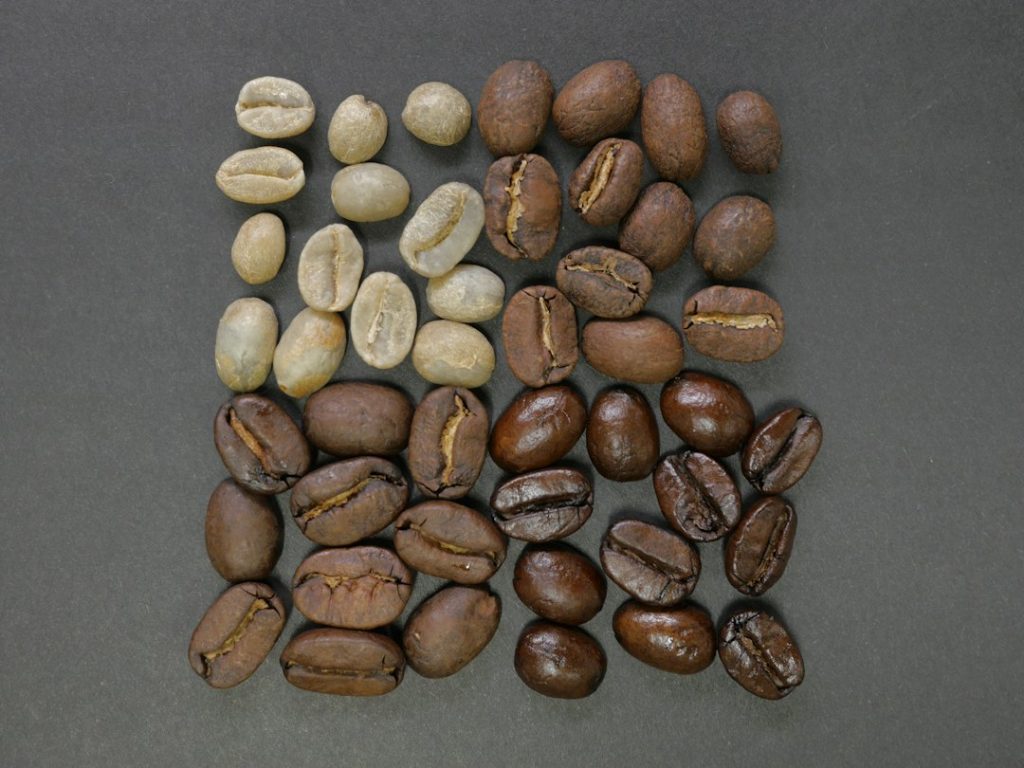
Light roasts, often referred to as cinnamon, New England, or light city roasts, are characterized by their minimal time spent in the roaster. The beans are typically pulled just as they reach their first crack, a distinct audible popping sound that signifies the bean beginning to expand and break. This short roasting period means the beans retain a significant portion of their original characteristics. They are usually light brown in color, dry on the surface (no oil sheen), and possess a higher density and moisture content compared to darker roasts. The goal of a light roast is to preserve the inherent qualities of the coffee bean—its origin, varietal, and processing method—allowing these subtle notes to shine through. This approach emphasizes the coffee’s origin flavors, often described as bright, fruity, or floral.

Defining Dark Roast: The Maillard Reaction and Beyond
Dark roasts, encompassing styles like French, Italian, or espresso roasts, undergo a much more intensive roasting process. They are typically roasted well past the first crack, often into or beyond the second audible crack. This prolonged exposure to heat induces significant chemical changes. The Maillard reaction, responsible for the browning of food and the development of complex flavors in baking and roasting, is in full swing. Sugars within the bean caramelize, and the bean’s cellular structure breaks down, releasing oils to the surface, giving dark roasts their characteristic shiny, dark brown to almost black appearance. These beans are lighter in density due to the loss of moisture and organic matter. The intense heat transforms the original characteristics of the bean, often overshadowing its origin flavors with roast-derived notes such as chocolate, caramel, nuts, and a pronounced bitterness. The aim here is to create a bold, robust flavor profile that stands up well to milk and sugar or appeals to those who prefer a strong, smoky cup.
Chlorogenic Acid: The Acidity Antioxidant and Its Roast Level Dance
Chlorogenic acids (CGAs) are a group of phenolic compounds abundant in coffee beans. They are known for their antioxidant properties and are thought to contribute to some of coffee’s perceived health benefits, including potential roles in metabolism and protection against certain diseases. The concentration and form of CGAs in coffee are highly sensitive to the roasting process, creating a distinct difference between light and dark roasts.
Chlorogenic Acid in Light Roasts: Preserving Potency
During the early stages of roasting, particularly before and during the first crack, chlorogenic acids remain relatively stable. Light roasts, by definition, halt the roasting process before significant degradation occurs. Consequently, coffee beans roasted to a light level typically retain the highest concentration of CGAs. These compounds are crucial in contributing to the perceived acidity or “brightness” of light roasts, often described as tart or citrus-like. The higher levels of CGAs in light roasts are often cited as a key reason for their potential health benefits, as they are preserved in their most potent forms.
Chlorogenic Acid in Dark Roasts: Transformations and Bioavailability
As the roasting process intensifies and extends beyond the first crack, chlorogenic acids begin to break down. The high temperatures and prolonged duration cause these compounds to degrade into various other substances, including lactones and melanoidins. While the total amount of CGAs decreases significantly in dark roasts, some research suggests that the breakdown products, particularly the lactones, might be more bioavailable or possess different antioxidant activities. This means that while there are fewer CGAs overall, the remaining compounds might be more easily absorbed by the body, though the scientific consensus on this is still evolving. The loss of CGAs also contributes to the reduction in perceived acidity and the development of bitterness in darker roasts.
Health Implications: What the Chlorogenic Acid Levels Mean for You
For health-conscious coffee drinkers, the difference in CGA content between light and dark roasts can be significant. If maximizing antioxidant intake from coffee is a primary goal, light roasts generally offer a higher dose. Studies have linked CGA consumption to various health benefits, including improved cardiovascular health, better blood sugar regulation, and potential neuroprotective effects. However, it’s crucial to remember that coffee is a complex beverage, and its overall health impact is multifactorial, involving caffeine, other antioxidants, and various metabolic responses. While dark roasts contain fewer intact CGAs, they still offer a rich array of other beneficial compounds and the well-documented benefits associated with moderate caffeine consumption. The key takeaway is that both roast levels contribute to a healthful beverage, but light roasts typically lead in terms of direct CGA quantity.

Floral Aroma: Unlocking the Delicate Notes in Specialty Coffee
Aroma is a defining characteristic of specialty coffee, and floral notes are among the most sought-after and delicate descriptors. These scents, reminiscent of jasmine, rose, lavender, or honeysuckle, are primarily derived from volatile organic compounds present in the green coffee bean. The roasting process significantly impacts the development and preservation of these fragile aromatic compounds.
Floral Aromas in Light Roasts: Preserving Volatile Compounds
Light roasts excel at preserving the delicate volatile compounds responsible for floral aromas. The gentle heat applied during a light roast is sufficient to release these aromatics without destroying them. Many of the floral notes found in coffees, particularly those from regions like Ethiopia or certain washed Central American beans, are delicate and easily volatilized. By limiting the roasting time and temperature, light roasts allow these nuanced scents to remain intact, contributing to a brighter, more fragrant, and complex cup. The perception of floral notes is often directly correlated with the bean’s origin and processing, which light roasting aims to highlight.
Floral Aromas in Dark Roasts: The Impact of Roasting on Delicate Scents
The extended heat exposure required for dark roasts is generally detrimental to delicate floral aromas. The high temperatures and longer roasting times cause many of the volatile compounds responsible for these notes to break down or transform into other, less volatile substances. Instead of floral notes, dark roasts tend to develop aromas associated with the roasting process itself, such as roasted nuts, dark chocolate, caramel, and a smoky or burnt character. While dark roasts can possess incredibly rich and inviting aromas, they are typically not characterized by the ethereal, floral notes that are a hallmark of well-executed light roasts. Any trace of floral scent in a dark roast would likely be an unintended consequence or an indication of an incomplete roast.
Identifying and Appreciating Floral Notes: A Sensory Guide
Identifying floral aromas requires a trained palate and a mindful approach to tasting. Begin by appreciating the aroma of the dry grounds before brewing, and then again as the coffee brews. As you take your first sip, focus on the aroma that rises from the cup. Floral notes are often subtle and can be easily masked by stronger notes like bitterness or body. They are best appreciated when the coffee is slightly cooled, as the volatile compounds become more perceptible at warmer, but not scalding, temperatures. Common floral descriptors include jasmine, rose, honeysuckle, lavender, orange blossom, and chamomile. Sensory wheels, like the Specialty Coffee Association’s (SCA) flavor wheel, can be valuable tools for identifying and categorizing these nuanced aromas and flavors. The presence and intensity of floral notes are highly dependent on the coffee’s origin, varietal, processing, and, crucially, the roast profile.

Brewing for Chlorogenic Acid and Floral Aroma: Technique Matters
Achieving the desired balance of chlorogenic acid and floral aroma in your cup depends not only on the roast level but also significantly on your brewing method and technique. Different brewing parameters can either enhance or diminish these desirable characteristics.
Optimal Brewing Methods for Light Roast Characteristics
To maximize both chlorogenic acid content and floral aromatics in light roasts, brewing methods that allow for a clean, bright extraction are preferred. Pour-over methods such as the Hario V60, Chemex, or Kalita Wave are excellent choices. These methods offer control over variables like water flow rate, bloom time, and total brew time, allowing for a precise extraction that highlights the delicate floral notes and preserves the acidity. French press can also work, but care must be taken to avoid over-extraction, which can lead to bitterness. Espresso can be challenging with very light roasts due to the difficulty in achieving a full extraction without excessive sourness, but with precise grind and pressure, it can yield a vibrant shot.
Optimal Brewing Methods for Dark Roast Characteristics
Dark roasts, with their often bolder flavors and lower acidity, lend themselves well to brewing methods that can handle a more robust extraction or complement their inherent characteristics. Espresso is a classic pairing for dark roasts, as the high pressure and temperature can extract rich chocolate and caramel notes, creating a thick crema. Moka pots and traditional drip coffee makers are also suitable. For those who prefer a fuller body and don’t mind a bit of sediment, a French press can effectively showcase the deep, resonant flavors of a dark roast. The goal here is often to extract the rich, roasted flavors without introducing excessive bitterness or ashiness.
Water Temperature, Grind Size, and Extraction: A Balancing Act
Regardless of roast level, mastering brewing variables is crucial. For light roasts, a slightly hotter water temperature (around 200-205°F or 93-96°C) can help ensure proper extraction of solubles, unlocking both the brighter acidity and delicate florals. A finer grind size is generally used to increase surface area and extraction efficiency. Conversely, dark roasts often benefit from slightly cooler water (195-200°F or 90-93°C) to mitigate bitterness and avoid over-extraction, paired with a coarser grind to achieve a balanced flavor profile. The total brew time is also a critical factor; shorter times for darker roasts and slightly longer, controlled times for lighter roasts are typical starting points.
Case Studies: Comparing Light and Dark Roast Profiles
Spotlight on Light Roast: Ethiopian Yirgacheffe – Tasting and Analysis
The Ethiopian Yirgacheffe, particularly when processed using the washed method, is a quintessential example of a light roast that shines with floral and citrus notes. Upon roasting to a light city profile, the beans retain their delicate structure and a vibrant acidity. The aroma is intensely fragrant, often displaying notes of jasmine, bergamot, and lemon zest. In the cup, the acidity is bright, akin to a crisp white wine or citrus fruit. The floral notes are prominent, with a distinct jasmine or honeysuckle character that lingers on the palate. The body is typically light and tea-like. Chlorogenic acid levels are exceptionally high, contributing to the perceived brightness and offering a significant antioxidant load. This coffee is best appreciated brewed using a pour-over method to preserve its intricate aroma and delicate flavor profile.
👍 Pros
- Exceptional floral and citrus aromatics
- Bright, vibrant acidity
- High chlorogenic acid content for antioxidant benefits
- Light, tea-like body
👎 Cons
- Can be too acidic or sour if brewed incorrectly
- Delicate notes easily masked by milk or sugar
- Less forgiving of brewing errors
Spotlight on Dark Roast: Sumatra Mandheling – Tasting and Analysis
Sumatra Mandheling, often processed using the wet-hulled (Giling Basah) method, transforms dramatically under a dark roast. When roasted to a full city or French roast level, the beans develop a deep, earthy character with notes that are far removed from their origin. The aroma becomes rich and heavy, with hints of dark chocolate, cedar, and pipe tobacco. The surface of the beans is often oily, and the color is a deep, dark brown. In the cup, the acidity is significantly muted, replaced by a full, syrupy body and a pronounced, lingering bitterness. Flavors typically include dark cocoa, molasses, and a smoky, woody undertone. Chlorogenic acid levels are considerably lower due to the intense heat, but the complex roasted compounds and full body offer a satisfying, robust experience. This coffee is ideal for espresso or a French press, where its bold characteristics can be fully expressed.
👍 Pros
- Rich, full-bodied mouthfeel
- Bold dark chocolate, earthy, and smoky flavors
- Low perceived acidity, often preferred by some
- Stands up well to milk and sugar
- Ideal for espresso and French press
👎 Cons
- Floral and origin notes are completely obscured
- Can become excessively bitter or acrid if over-roasted
- Lower chlorogenic acid content

Expert Panel: Which Roast Reigns Supreme for Flavor and Health?
Roaster’s Perspective: Preserving and Developing Aromas
“For me, the art of roasting is about revealing the bean’s potential. Light roasts allow us to showcase the inherent terroir – the floral, fruity, and delicate nuances that speak of origin. It requires meticulous profiling to ensure we develop these aromatics without scorching them. Darker roasts are about transformation. We’re working with the Maillard reactions and caramelization to create comforting, robust flavors like chocolate and caramel. Preserving delicate aromas like floral notes is simply not the goal with a dark roast; it’s about depth and intensity derived from the roast itself.”
Barista’s Perspective: Brewing for Acidity and Floral Complexity
“My job is to translate the roaster’s work into the cup. With light roasts, it’s all about precision. Getting the grind size, water temperature, and extraction time just right is critical to unlocking that vibrant acidity and those beautiful floral aromatics. A slight imbalance can easily lead to a sour or weak cup. Dark roasts are generally more forgiving. They offer a wider window for extraction, and their bold flavors can balance richer milk drinks or stand alone with a satisfying bitterness. The complexity is different – it’s in the roast-derived notes rather than the origin characteristics.”
Consumer’s Perspective: Personal Preferences and Health Considerations
“It really comes down to what you enjoy most. Some people crave that bright, zesty quality in their morning coffee, the kind that wakes up their palate, and they’ll always reach for a light roast, perhaps drawn to the potential health benefits of higher antioxidants. Others prefer the comforting, bold, and sometimes even slightly bitter profile of a dark roast, especially if they’re adding milk or sugar, or simply enjoy that intense roasted flavor. There’s no single ‘best’; it’s about matching the coffee to your personal taste preferences and lifestyle. For those focused on maximizing chlorogenic acid, light roasts are the clear choice, but darker roasts still offer a complex and enjoyable beverage.”
Common Misconceptions About Light vs. Dark Roast Coffee
Debunking Myths: Acidity, Bitterness, and Caffeine Content
One of the most persistent myths is that dark roasts are less acidic than light roasts. While dark roasts *do* have less *perceived* acidity due to the breakdown of chlorogenic acids and other compounds, the beans themselves can actually become more acidic during the roasting process as organic acids degrade. The *type* of acidity changes – light roasts often have bright, citric, or malic acidity, while dark roasts can develop more acetic acidity (vinegary) if over-roasted, though this is usually masked by bitterness. Another myth is that dark roasts have more caffeine. In reality, caffeine is quite stable during roasting. Because dark roast beans lose more mass and expand more, a scoop of dark roast beans might contain fewer actual coffee beans than a scoop of light roast beans, potentially leading to slightly *less* caffeine per scoop. However, by weight, the difference is minimal, and caffeine content is more dependent on the bean varietal and processing than roast level alone.
The Truth About Antioxidants and Roasting
It’s often stated that darker roasts have fewer antioxidants. This is generally true for chlorogenic acids, which are abundant in green and light-roasted coffee and degrade significantly with heat. However, the roasting process also creates new antioxidant compounds, such as melanoidins, which are formed during the Maillard reaction. While these may have different antioxidant properties and bioavailability compared to CGAs, they contribute to the overall antioxidant capacity of the coffee. Therefore, while light roasts typically boast higher levels of the specific antioxidant chlorogenic acid, darker roasts contain a different, albeit still significant, array of potentially beneficial compounds. The overall antioxidant potential is complex and debated, but focusing solely on CGAs misses part of the picture.
Making Your Choice: Finding Your Perfect Roast
Matching Roasts to Your Palate and Brewing Style
Selecting between light and dark roast coffee hinges on personal preference and intended use. If you enjoy bright, nuanced flavors, appreciate delicate floral or fruity notes, and prefer to taste the origin of the bean, a light roast is likely your ideal choice. These are best brewed using methods that highlight clarity, such as pour-over or Aeropress. If you favor bold, rich, and often chocolatey or roasty flavors, enjoy a lower perceived acidity, and perhaps add milk or sugar to your coffee, a dark roast will likely be more satisfying. Dark roasts perform exceptionally well in espresso machines, Moka pots, and French presses, where their intensity can shine. For those prioritizing the highest concentration of chlorogenic acids for potential health benefits, light roasts are the preferred option. For a robust, comforting cup that stands up to various preparations, dark roasts are excellent.
Where to Find High-Quality Light and Dark Roast Specialty Coffees
High-quality specialty coffees, whether light or dark roast, are readily available from reputable sources. Look for local roasters who clearly label their beans with origin information, processing methods, and roast levels. Many online specialty coffee retailers also offer a wide selection, often with detailed tasting notes and roast profiles. When purchasing, consider the roast date; fresher is generally better for preserving aromatic compounds. Look for beans that specify their origin (e.g., Ethiopia, Colombia, Sumatra) and processing method (washed, natural, honey) as these factors, combined with the roast level, will dictate the final flavor profile. Many of these sources will offer both meticulously crafted light roasts showcasing delicate origins and expertly developed dark roasts delivering bold, satisfying flavors, ensuring you can find the perfect brew for your palate.