👍 Pros
- Distinctive, rich, and savory umami flavor profile.
- Uniquely creamy and velvety texture attributed to a higher yolk-to-oil ratio.
- MSG content enhances overall savoriness and depth of flavor.
- Versatile; elevates a wide range of dishes from simple to complex.
- Iconic packaging and a strong reputation within culinary circles.
👎 Cons
- MSG content may be a concern for some sensitive individuals.
- The distinct flavor may not appeal to palates accustomed to traditional Western mayonnaise.
- Can be perceived as richer and heavier than standard mayonnaise.
The Quintessential Kewpie: More Than Just Mayo
Kewpie Japanese mayonnaise has transcended its status as a mere condiment to become a culinary icon. For decades, its distinctive red-crowned squeeze bottle has been a fixture in kitchens across Japan and increasingly, around the globe. But what sets Kewpie apart from the legions of other mayonnaise options available? It’s a combination of carefully selected ingredients, a unique production process, and a flavor profile that is both comforting and complex. This isn’t your average sandwich spread; it’s a flavor enhancer, a textural marvel, and a key player in the rich tapestry of Japanese cuisine.
Its widespread adoption is not accidental. Consumers and chefs alike have gravitated towards Kewpie for its ability to impart a signature taste and mouthfeel that is difficult to replicate. The brand’s commitment to quality and its unapologetic embrace of ingredients like MSG and a higher concentration of egg yolks have cemented its reputation as a premium, albeit polarizing, condiment. In 2026, Kewpie continues to hold its ground, a testament to its enduring appeal and its ability to consistently deliver a superior sensory experience.
A Taste of Tradition: Unpacking Kewpie’s Signature Flavor Profile
At its core, Kewpie mayonnaise is defined by its unmistakable flavor. Unlike the typically sharp, vinegary tang of American mayonnaise, Kewpie offers a more nuanced and mellow profile. This is largely due to its use of rice vinegar, which provides a gentler acidity compared to the distilled white vinegar commonly found in Western counterparts. The result is a flavor that is less aggressive and allows other notes to shine through.
The richness is another defining characteristic. Kewpie utilizes only the yolks of the eggs, a stark contrast to many Western mayonnaises that use whole eggs. This higher concentration of fat from the yolks contributes significantly to its luxurious, velvety texture and its deep, eggy flavor. This focus on richness is central to the Kewpie experience, making it feel more indulgent and substantial than its competitors.

Beyond the Condiment: Kewpie’s Role in Japanese Cuisine
In Japan, Kewpie mayonnaise is far more than just a topping; it’s an integral component of countless beloved dishes. It serves as the creamy binder for classic potato salads and is indispensable in dishes like Okonomiyaki and Takoyaki, where its richness balances the savory elements. It’s also frequently used as a base for dressings and sauces, providing a smooth, umami-laden foundation that enhances other ingredients. Even simple applications, like spreading it on toast or using it as a dip for fried foods, are elevated by its unique flavor.
Its versatility extends to modern culinary applications as well. Chefs worldwide have incorporated Kewpie into fusion dishes, dressings for gourmet salads, and as a secret ingredient in dips and marinades. Its ability to add both creaminess and a distinct savory depth makes it a valuable tool for adding complexity to a wide array of recipes, proving that its appeal is not limited to traditional Japanese fare.
Deconstructing Kewpie: MSG, Umami, and the Egg Yolk Secret
The MSG Advantage: A Flavor Enhancer, Not a Mystery
One of the most talked-about ingredients in Kewpie mayonnaise is monosodium glutamate (MSG). Far from being a hidden or mysterious additive, MSG is a well-understood flavor enhancer. In Kewpie, it plays a crucial role in amplifying the natural savoriness of the other ingredients, contributing significantly to its characteristic umami punch. MSG works by stimulating specific taste receptors on the tongue, creating a more complex and satisfying flavor experience. Its inclusion is a deliberate choice to achieve a specific, desirable taste profile that is deeply ingrained in the product’s identity.
Concerns about MSG have largely been debunked by scientific consensus, with major health organizations worldwide deeming it safe for consumption in typical amounts. For Kewpie, MSG isn’t about masking or artificial flavoring; it’s about building a foundational layer of savory deliciousness that complements the other ingredients. It’s a key component that contributes to why Kewpie tastes so distinct and satisfying.
Umami Unleashed: The Science Behind Kewpie’s Savory Depth
Umami, often described as the fifth basic taste alongside sweet, sour, salty, and bitter, is the savory sensation that makes foods like aged cheese, cured meats, and mushrooms so appealing. Kewpie mayonnaise is a masterclass in umami delivery. The combination of egg yolks, a source of natural glutamates, and the added MSG creates a synergistic effect that significantly boosts the umami levels. Rice vinegar also contributes subtle glutamates, further deepening the savory complexity.
This deliberate construction of umami makes Kewpie exceptionally adept at enhancing the flavor of almost any dish it accompanies. It doesn’t just add richness; it adds a profound savory dimension that can make simple ingredients taste more complex and satisfying. This is why it’s so effective in balancing flavors in dishes like Okonomiyaki or providing a satisfying base for dips.
Egg Yolk Richness: The Key to Kewpie’s Creamy Texture and Flavor
The secret to Kewpie’s signature texture and flavor lies in its generous use of egg yolks. While many Western mayonnaises use whole eggs, Kewpie’s recipe prioritizes yolks. Egg yolks are emulsifiers, rich in lecithin and fats, which are essential for creating the smooth, stable emulsion that characterizes mayonnaise. The higher concentration of yolks in Kewpie means a richer fat content and a more intense, custardy egg flavor.
This higher yolk ratio directly translates to a thicker, creamier, and more velvety mouthfeel. It’s this luxurious texture that differentiates Kewpie, making it feel more decadent and satisfying. The distinct eggy undertone is not just a byproduct but a celebrated characteristic that sets it apart from the lighter, often more acidic profiles of other mayonnaises.
Comparative Analysis: Kewpie vs. Western Mayonnaise
Ingredient Showdown: MSG, Vinegar, and Oil Ratios
The differences between Kewpie and typical Western mayonnaise are stark when you examine the ingredients. Kewpie’s recipe typically includes vegetable oil (often soybean oil), egg yolks, rice vinegar, salt, and MSG. Western-style mayonnaise, on the other hand, usually features soybean oil, whole eggs or egg yolks, distilled white vinegar or lemon juice, and often sugar, salt, and sometimes spices or other flavorings. The absence of sugar in Kewpie and the use of rice vinegar instead of distilled white vinegar are significant distinctions.
Furthermore, the ratio of ingredients is critical. Kewpie is known for its higher oil-to-egg-yolk ratio, which results in its characteristic richness and density. While Western mayonnaises balance these components differently, often resulting in a lighter, tangier product. The presence of MSG in Kewpie, while controversial for some, is a deliberate choice to boost umami, a component often less pronounced in standard Western varieties.
Texture and Mouthfeel: A Creamy Connoisseur’s Perspective
The textural difference is perhaps the most immediately apparent distinction. Kewpie offers a thick, dense, and exceptionally creamy mouthfeel. It coats the palate with a velvety richness that is both luxurious and satisfying. This thickness comes from the higher concentration of egg yolks and the specific type of oil and vinegar used. It’s a texture that feels substantial and premium.
In contrast, many Western mayonnaises present a lighter, sometimes slightly looser texture. Their acidity from distilled vinegar can also create a different mouthfeel, often perceived as sharper or more cutting. While both have their place, Kewpie’s texture is uniquely indulgent and has earned it a dedicated following among those who appreciate a truly creamy condiment.
Flavor Nuances: Umami Punch vs. Tangy Bite
Flavor-wise, Kewpie leans heavily into umami and a subtle eggy richness, with a gentle tang from the rice vinegar. It’s savory, deeply satisfying, and possesses a certain roundedness. The MSG amplifies this savory depth, making it incredibly palatable and addictive.
Western mayonnaise often prioritizes a brighter, tangier flavor profile. The sharper acidity from distilled white vinegar or lemon juice is usually more prominent, providing a zesty counterpoint. While some Western varieties incorporate spices or herbs, the foundational flavor often remains centered on that clean, acidic bite. Kewpie’s flavor is less about a sharp zing and more about a profound, savory deliciousness that complements and enhances food.
Real-World Applications: Elevating Your Dishes with Kewpie
Signature Pairings: From Salads to Sandwiches
Kewpie mayonnaise truly shines when paired with foods that benefit from its rich, savory profile. It’s the quintessential dressing for Japanese potato salad, lending a creaminess and depth that surpasses any other mayonnaise. In sandwiches, it offers a more complex flavor than standard mayo, pairing exceptionally well with richer ingredients like katsu (breaded cutlets) or grilled meats. It also adds an incredible dimension to tuna salads, deviled eggs, and coleslaws.
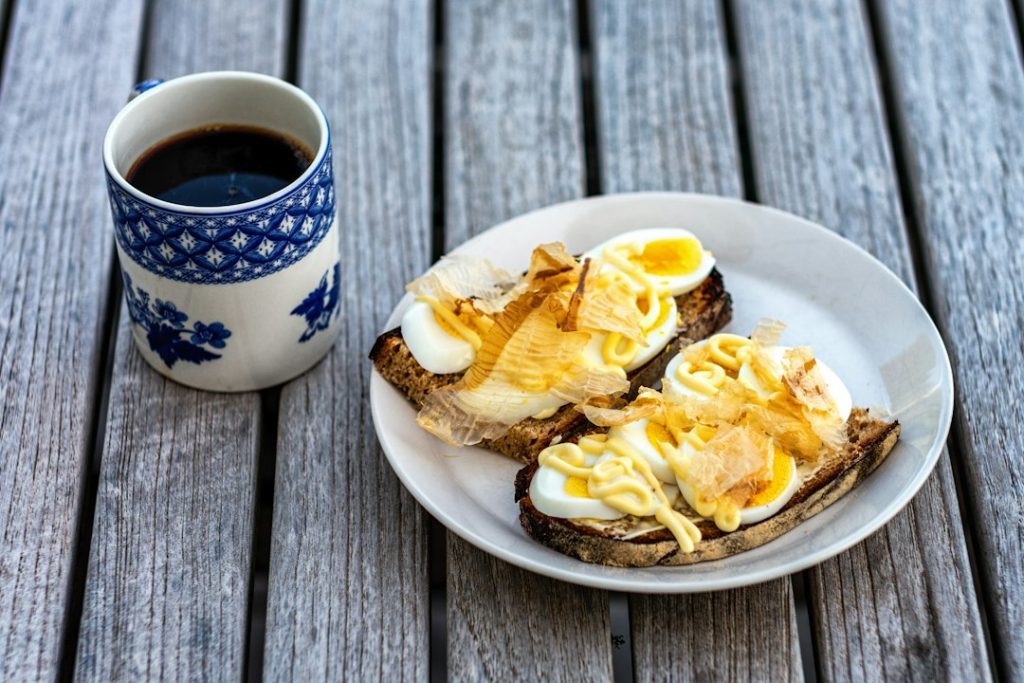
For simple applications, spreading Kewpie on toast before toasting creates a deliciously savory base. It’s also a fantastic dipping sauce for everything from french fries and onion rings to tempura and fried chicken. Its ability to cut through richness while simultaneously adding its own layer of flavor makes it a versatile partner for a wide range of savory foods.
Creative Culinary Uses: Beyond the Obvious Applications
Chefs and adventurous home cooks have discovered numerous ways to incorporate Kewpie beyond its traditional roles. It can be whisked into creamy pasta sauces for an umami boost, used as a binder for crab cakes, or even incorporated into marinades for fish and chicken. A small amount can add surprising depth to vinaigrettes, transforming a simple salad dressing into something truly special.
Whipping Kewpie into a base for aioli or other flavored mayonnaise-based sauces provides an instant upgrade, infusing them with its signature richness and savory notes. Its stable emulsion also makes it suitable for use in baked dishes, where it can contribute to a tender crumb and moist texture in items like savory muffins or quick breads. The possibilities are extensive for those willing to experiment.
Recipe Inspiration: Dishes That Shine with Kewpie
Consider the iconic Japanese dishes where Kewpie is indispensable: Okonomiyaki, a savory pancake, relies on Kewpie for its signature flavor and creamy topping. Takoyaki, the grilled octopus balls, are often drizzled generously with Kewpie. Even simpler fare like Ebi Mayo (fried shrimp with a creamy Kewpie-based sauce) showcases its ability to create crowd-pleasing flavors.
For Western palates, try Kewpie in a BLT for an elevated twist, or use it as the base for a spicy sriracha mayo. It’s also fantastic spread on grilled corn (corn on the cob), mixed with shredded chicken for quick sandwiches, or used as a binder for salmon patties. The key is to leverage its unique flavor to enhance, rather than overpower, the other ingredients.
Where to Buy Kewpie and What to Look For
Finding Authentic Kewpie: Supermarkets and Specialty Stores
In 2026, authentic Kewpie mayonnaise is more accessible than ever. It can commonly be found in the international foods aisle of larger supermarkets, especially those with a well-stocked Asian foods section. Asian grocery stores and specialty food markets are also reliable sources. Increasingly, online retailers and even some conventional online grocery platforms carry Kewpie, making it convenient to purchase from home.
When shopping, look for the distinctive clear plastic squeeze bottle with the red cap. The labeling will clearly indicate “Kewpie” and often specify “Japanese-style mayonnaise.” Be aware that there might be regional variations or imitations, so checking the brand name and origin is always a good practice.
Packaging and Varieties: Navigating Your Options
Kewpie is most famously sold in its iconic squeeze bottle, typically ranging from 10 oz (approx. 300g) to larger family sizes. These bottles are designed for easy dispensing and precise application, ideal for drizzling or dolloping. You may also find Kewpie in glass jars, though the squeeze bottle is the most prevalent and practical for everyday use.
While the original Kewpie mayonnaise is the most common, there might be slight regional variations or limited-edition flavors available in certain markets, though these are less widespread. The core product, however, remains consistent: the rich, umami-laden mayonnaise that fans adore. The focus is typically on the quality and signature flavor of the original formulation.
Storage and Shelf Life: Keeping Your Kewpie Fresh
Unopened Kewpie mayonnaise, like most shelf-stable condiments, can be stored at room temperature in a cool, dry place. Once opened, however, it must be refrigerated to maintain its freshness and prevent spoilage. The label will provide specific storage instructions and a recommended shelf life after opening.
Proper refrigeration is key. Ensure the cap is tightly sealed after each use. While Kewpie is quite stable due to its acidity and oil content, its quality (flavor and texture) is best preserved when consumed within the recommended timeframe, typically several months after opening. Always check the product’s expiration date and use your senses (smell and appearance) to determine freshness.
Verdict: Is Kewpie Japanese Mayonnaise Worth the Hype in 2026?
The Final Taste Test: A Comprehensive Review Summary
Kewpie Japanese mayonnaise undeniably lives up to its reputation in 2026. It offers a flavor profile—rich, deeply savory, with a gentle tang and distinct eggy notes—that is remarkably different and, for many, superior to standard Western mayonnaise. The inclusion of MSG, far from being a negative, is a key component that elevates its umami character, making it a versatile culinary powerhouse. Its exceptionally creamy and velvety texture, a result of its higher egg yolk content, provides a luxurious mouthfeel that enhances countless dishes.
While the MSG might be a consideration for a small segment of the population, the overwhelming consensus is that Kewpie delivers a unique and highly satisfying taste experience. Its cult status is well-earned, built on decades of consistent quality and a flavor profile that has captivated palates worldwide. It’s more than just a condiment; it’s an essential ingredient for anyone serious about exploring Japanese cuisine or simply seeking to add a new dimension of flavor to their cooking.
Who Should Buy Kewpie? Identifying the Ideal Fan
The ideal consumer for Kewpie mayonnaise is someone who appreciates complex, savory flavors and a rich, creamy texture. Food enthusiasts, home cooks looking to elevate their dishes, and fans of Japanese cuisine will find Kewpie indispensable. If you enjoy dishes like Okonomiyaki, Takoyaki, or Katsu sandwiches, you already understand the appeal.
It’s also for those who aren’t afraid of ingredients like MSG and understand its role as a flavor enhancer. If you find traditional mayonnaise lacking in depth or richness, Kewpie is likely to be a revelation. Adventurous eaters seeking to broaden their culinary horizons and those who value premium ingredients will also find Kewpie a worthwhile addition to their pantry.
Our Top Picks for Dishes to Try with Kewpie Immediately
To truly appreciate Kewpie, start with its classic pairings. A simple tuna salad sandwich made with Kewpie instead of regular mayonnaise is a revelation. Try it as a dressing for a crisp green salad, perhaps with a touch of soy sauce or wasabi mixed in. Drizzled over fried chicken or tempura, it provides a creamy counterpoint to the crispy batter.
Don’t shy away from using it as a dip for french fries or as a spread on burgers and hot dogs. For a more adventurous start, consider using it as the base for a spicy mayo by blending it with sriracha or gochujang. Ultimately, any dish where you’d use mayonnaise is a candidate for an upgrade with Kewpie, but these starting points offer an immediate taste of its magic.
Kewpie’s formulation prioritizes egg yolks over whole eggs, leading to a higher fat and lecithin content which contributes to its distinct richness and emulsification properties. The use of rice vinegar provides a milder acidity compared to distilled white vinegar found in many Western mayonnaise brands. Monosodium glutamate (MSG) is included to enhance the umami, or savory, taste, a characteristic frequently cited in consumer and culinary reviews as a key differentiator. Available globally through major supermarkets, Asian specialty stores, and online retailers. Storage requires refrigeration after opening, with typical shelf life varying by manufacturer but generally several months. Consensus reviews highlight its versatility and superior texture/flavor for specific applications, while acknowledging the MSG component may deter some consumers.