🧰 Tools & Gear You’ll Need
- Small, stemmed tasting glasses (150-250ml capacity)
- Glass warming plates or a warm water bath
- A notebook and pen for recording observations
- A selection of high-quality extra virgin olive oils (EVOO)
- A palate cleanser (e.g., water, unsalted crackers)
- A calm, well-lit environment with minimal competing aromas
Tasting olive oil like a professional judge is an art form that unlocks a world of nuanced flavors and aromas often missed in everyday consumption. Forget the generic “fruity” or “peppery” descriptions; true olive oil tasting involves a systematic sensory analysis, with the cup warming technique being a cornerstone for revealing the oil’s aromatic complexity. This guide will equip you with the knowledge and techniques to discern the quality, character, and potential defects of extra virgin olive oils, transforming your palate into a finely tuned instrument.
The Professional Olive Oil Tasting Set: What You Need
Before you can begin tasting like a pro, you need the right tools and the right oils. Professional tasting isn’t just about the oil; it’s about creating an environment where the oil’s true character can be expressed and perceived without interference.
Essential Equipment: Tasting Glasses, Warming Plates, and More
The standard for professional olive oil tasting involves specific equipment designed to enhance the sensory experience. You’ll need small, typically cobalt blue or clear stemmed glasses (about 150-250ml) that allow for swirling and aroma capture. Blue glasses help mask the oil’s color, preventing visual bias. A crucial element is a warming plate or a warm water bath to gently heat the oil. This isn’t about cooking the oil, but about bringing it to a temperature where its volatile aromatic compounds can be released. Alongside these, have a notebook and pen ready to meticulously record your findings. Palate cleansers like plain water or unsalted crackers are essential to reset your senses between tastings. Finally, ensure your tasting environment is free from strong odors – no perfumes, scented candles, or strong cooking smells should be present.
Sourcing High-Quality Olive Oils for Tasting
The oils you choose are paramount. For genuine tasting, always opt for Extra Virgin Olive Oil (EVOO) from reputable producers. Look for oils with a recent harvest date; olive oil is a fresh product and its flavor degrades over time. Seek out oils from different varietals (e.g., Coratina, Arbequina, Picual) and different origins (countries or even specific regions) to appreciate the diversity. Specialty food stores, dedicated olive oil shops, or direct purchases from producers are your best bet. Avoid oils that have been sitting on supermarket shelves for extended periods or those with unclear harvest dates or origins.
Mastering the Olive Oil Tasting Technique: Step-by-Step Guide
Professional olive oil tasting is a methodical process engaging sight, smell, and taste. The cup warming technique is central to unlocking the aromatic profile, which provides significant clues about the oil’s quality and origin.
The Sensory Analysis Framework: Sight, Smell, and Taste
Professional tasters follow a structured approach, analyzing the olive oil in three key stages: visual inspection, aroma assessment, and palate evaluation. Each stage builds upon the last, contributing to a comprehensive understanding of the oil.
Step 1: Visual Inspection – Color and Clarity
While color can range from pale yellow to deep green, it’s not a reliable indicator of quality on its own. Different olive varietals and processing methods yield different colors. What you *are* looking for is clarity. High-quality EVOO should ideally be clear. If it appears cloudy or has sediment, it might indicate it wasn’t properly filtered, which could lead to defects developing over time. However, some unfiltered oils are intentionally produced and can be excellent, so this is just one piece of the puzzle. Tilt the glass to observe the color and how it transitions against a white background.

Step 2: The Aroma Test – Unlocking the Bouquet
This is where the magic begins, and the cup warming technique becomes indispensable. The aroma of olive oil offers the most significant insights into its quality and potential flavor.
The Cup Warming Technique: Releasing Volatile Aromas
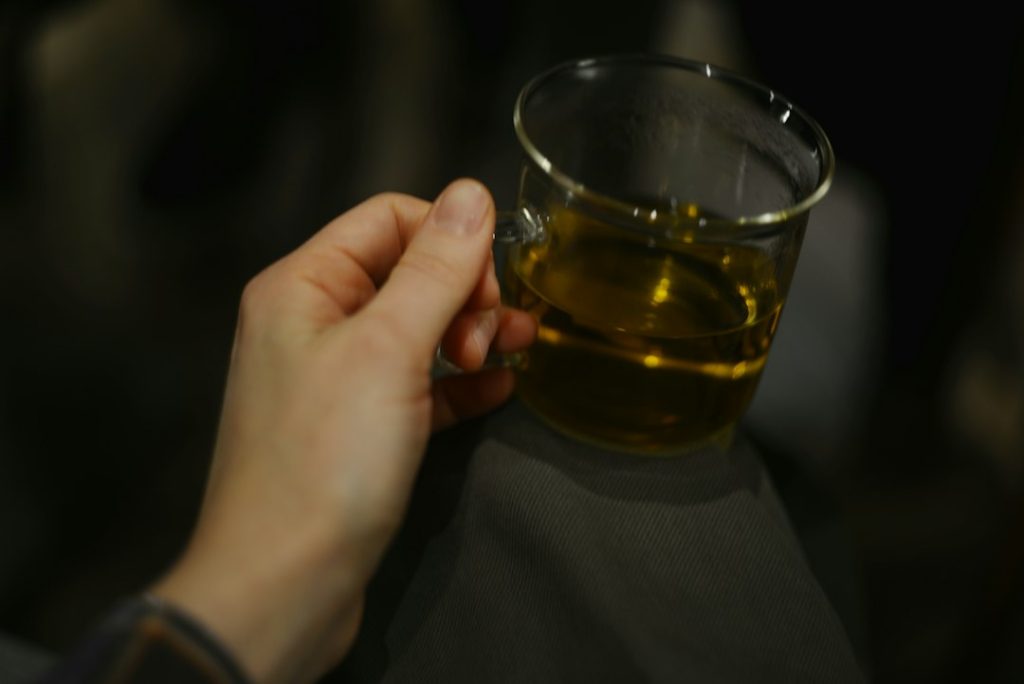
To perform the aroma test, hold the glass firmly by its base and cup the bowl in your hand, or place it on a warming plate set to a low temperature (around 25-30°C or 77-86°F). Gently swirl the oil in the glass for about 30-60 seconds. The warmth from your hand or the plate will volatize the aromatic compounds, releasing them into the air. Bring the glass close to your nose and inhale deeply. Take short, sharp inhales to capture the nuances. This step is critical; many delicate aromas are simply undetectable at room temperature.

Identifying Primary, Secondary, and Tertiary Aromas
As you inhale, try to identify different layers of scent. Primary aromas are those directly related to the olive fruit itself – think green grass, artichoke, tomato leaf, herbs, or ripe fruit notes. Secondary aromas come from the processing – subtle notes of almond, walnut, or even floral hints. Tertiary aromas can develop over time or indicate defects. Fresh, high-quality EVOOs will primarily exhibit strong primary and fresh secondary aromas. If you detect notes like musty, fusty (like old socks), vinegary, or metallic, these are likely indicators of defects and will be further confirmed during the taste test.
Step 3: The Palate Test – Flavor Perception
After assessing the aromas, it’s time to taste. The goal is to coat your entire palate to experience the full spectrum of flavors and sensations.
Sip, Slurp, and Aerate: The Art of Palate Engagement
Take a small sip of the oil, about a teaspoon. Before swallowing, bring your lips together and slurp the oil aggressively through your teeth. This might feel strange initially, but it’s essential. Slurping injects air into the oil, aerating it and atomizing it across your palate. This process releases volatile compounds that create the flavors and the characteristic pungency (the peppery sensation). Try to cover as much of your tongue and the roof of your mouth as possible.

Detecting Key Flavor Attributes: Fruity, Bitter, Pungent
As you aerate, focus on the flavors. Fruity notes are paramount in a good EVOO and should echo the aromas you detected – green apple, almond, grass, tomato, or herbaceous notes. Bitterness is perceived on the sides of the tongue and is a positive attribute, indicating the presence of healthy antioxidants like polyphenols. It signifies freshness and quality, especially in greener, less ripe oils. Pungency is the peppery sensation, often felt at the back of the throat and sometimes causing a cough reflex. This is also a positive attribute, stemming from oleocanthal, another powerful antioxidant. A well-balanced EVOO will have a harmonious interplay of fruitiness, bitterness, and pungency.
Step 4: Mouthfeel and Finish – Texture and Aftertaste
After swallowing (or spitting, as professionals often do to avoid palate fatigue), pay attention to the mouthfeel – the texture and consistency of the oil in your mouth. Is it watery, creamy, thick, or smooth? This varies greatly by varietal. Then, consider the finish or aftertaste. How long do the pleasant flavors linger? A good EVOO will have a clean, pleasant, and sometimes lingering finish that might include subtle fruity, bitter, or peppery notes. Defects will manifest as unpleasant or lasting off-flavors.
Understanding Olive Oil Defects and Faults
Recognizing what makes an olive oil *not* good is as important as identifying its positive attributes. Defects arise from poor farming practices, improper harvesting, or inadequate storage and processing.
Common Olive Oil Defects: Rancid, Fusty, Muddy, and More
Rancidity is perhaps the most common defect, characterized by aromas and flavors of stale nuts, crayons, or putty. It occurs when the oil is exposed to oxygen and heat over time. Fusty oil smells and tastes like damp, moldy rags or even sweaty socks, indicating fermentation due to olives being stored in piles for too long before milling. Muddy sediment suggests the oil wasn’t properly filtered and has been left in contact with dead yeast cells, leading to a musty, unpleasant taste. Other defects include vinegary (a sharp, acidic smell/taste like nail polish remover), metallic (a coppery taste near the palate, often from prolonged contact with metal surfaces), and earthy (reminiscent of soil, often from dirty olives).

How to Identify and Differentiate Faults
Practice is key. Smell and taste oils you know are of high quality first. Then, intentionally seek out oils with known defects (sometimes producers offer “defect kits” for educational purposes). Pay close attention to the *type* of off-aroma or off-flavor. Is it sharp and vinegary? Musty and damp? Stale and nutty? The smell is often the first indicator, followed by the taste. Remember, a defect means the oil is not an Extra Virgin Olive Oil, even if labeled as such. It might be a lower grade, or simply spoiled.
Recognizing Positive Attributes: What Makes Great Olive Oil?
Beyond the absence of defects, great olive oils offer a complex and pleasing sensory experience, characterized by vibrant fruitiness, balanced bitterness, and a satisfying pungency.
The Spectrum of Fruity Notes: Green, Ripe, and Varietal Specifics
Professional tasters can identify a wide range of fruity notes. Green fruitiness evokes unripe olives and presents aromas like freshly cut grass, artichoke, green almond, or green tomato leaf. Ripe fruitiness comes from more mature olives and can suggest notes of banana, apple, or ripe tomato. Each olive varietal has a characteristic fruity profile. For instance, Arbequina often exhibits banana and apple notes, while Coratina is known for its intense grassy and artichoke character. The intensity and complexity of these fruity notes are key indicators of quality.
The Balance of Bitterness and Pungency
A truly exceptional EVOO is defined by the harmonious balance between its bitter and pungent components. Bitterness, perceived on the sides of the tongue, and pungency, the peppery sensation in the throat, are both indicators of beneficial polyphenols. A high-quality oil will possess noticeable levels of both, integrated seamlessly with the fruity characteristics. The intensity can range from mild to robust, depending on the olive varietal, ripeness, and processing, but the *balance* is crucial. An oil that is only bitter or only pungent, without complementary fruitiness, is less desirable.
Identifying Complex Flavor Profiles
The best olive oils offer layers of complexity. You might detect hints of mint, basil, rosemary, or other herbaceous notes alongside the primary fruitiness. Some oils can have nutty undertones, floral nuances, or even subtle spice characteristics. Exploring different varietals and origins is the best way to discover this spectrum. It’s like wine tasting; the more you taste, the more you can discern and appreciate the subtle differences that make each oil unique.
Advanced Techniques for the Aspiring Olive Oil Connoisseur
Once you’ve mastered the basics, you can delve deeper into the world of olive oil tasting by exploring varietals, origins, and building your descriptive vocabulary.
Comparing Different Olive Oil Varietals
Taste oils made from single varietals side-by-side. Notice how an Arbequina from Spain differs from an Arbequina from California. Compare a robust Italian Coratina with a delicate French Picholine. Understanding the typical profile of each varietal is the first step to appreciating the nuances that terroir and processing bring.
Tasting Olive Oils by Origin and Terroir
Olive oil’s flavor is significantly influenced by its ‘terroir’ – the combination of soil, climate, and geography. Oils from Mediterranean regions often have distinct characteristics compared to those from Australia or South America. Taste oils from different countries and even different regions within a country. For example, Tuscan olive oils are often known for their bold, herbaceous profiles, while Sicilian oils might lean towards more peppery or tomato-leaf notes.
Building Your Personal Olive Oil Tasting Vocabulary
Keep a tasting journal. Record the oils you taste, their origin, varietal, harvest date, and your sensory observations. Use descriptive words: instead of just “fruity,” try “grassy,” “apple-like,” “banana,” “almond,” “artichoke,” “tomato leaf.” For pungency, note its intensity (“mild tingle,” “definite kick,” “intense peppery burn”). For bitterness, describe it as “slight,” “moderate,” or “pronounced.” The more detailed your notes, the better you’ll become at identifying and recalling specific flavor profiles.
Practical Application: Using Your Tasting Skills
Your newfound tasting skills aren’t just for formal evaluations; they can dramatically enhance your everyday cooking and purchasing decisions.
Selecting the Right Olive Oil for Cooking and Finishing
Use robust, intensely flavored EVOOs for finishing dishes – drizzled over salads, grilled vegetables, pasta, or soups. Their complex flavors will shine. For cooking at high temperatures, a more neutral, milder EVOO might be preferable, or even a refined olive oil if the flavor isn’t critical, to avoid burning delicate aromas. However, many high-quality EVOOs with higher smoke points (due to their polyphenol content) can be used for sautéing and roasting, imparting wonderful flavor. Tasting helps you understand which oils will complement your food best.
Discovering Your Favorite Olive Oils and Brands
Tasting allows you to move beyond brand loyalty and discover oils you genuinely love based on their sensory qualities. You’ll develop preferences for certain varietals, origins, or flavor profiles. This knowledge empowers you to make informed choices at the store, seek out new producers, and truly appreciate the diverse world of olive oil.
FAQ: Demystifying Professional Olive Oil Tasting
Q1: Do I need expensive equipment to taste olive oil like a pro?
A: While professional tasting kits exist, you can start with simple stemmed glasses (even wine glasses can work in a pinch) and your hand for warming. The key is the technique and a calm environment. High-quality oils are more important than fancy equipment.
Q2: How can I tell if an olive oil is fresh?
A: Look for a harvest date on the bottle. The fresher, the better. Avoid oils with only a “best by” date, as this can be years out and doesn’t guarantee freshness. Taste and smell are your best indicators; fresh oils will have vibrant aromas and flavors, and possibly pungency.
Q3: Is it normal for olive oil to taste bitter or peppery?
A: Absolutely! Bitterness and pungency are positive attributes in Extra Virgin Olive Oil, indicating the presence of healthy antioxidants. Their intensity varies by varietal and ripeness, but their presence is a sign of quality and freshness.
Q4: Can I taste olive oil defects at home?
A: Yes. Pay attention to off-aromas like stale nuts (rancid), damp mustiness (fusty), or vinegar. If an oil tastes bland, waxy, or has unpleasant lingering flavors, it likely has a defect. Comparing different oils side-by-side is the best way to learn.
Q5: How many oils should I taste at once?
A: For beginners, 2-3 oils are manageable. Professionals might taste 10-20, but they use palate cleansers and sometimes spit to avoid sensory fatigue. Focus on quality over quantity when starting out.