The vibrant green allure of matcha powder often masks a complex hierarchy of grades, each with distinct characteristics influencing its color, purity, and taste. For the discerning consumer in 2026, understanding the difference between ceremonial and culinary grade matcha is paramount to achieving the perfect brew and avoiding costly misconceptions. This deep dive dissects the critical factors – visual cues, purity markers, and flavor profiles – to guide your selection.
The Matcha Spectrum: What Defines Ceremonial and Culinary Grades?
Matcha, derived from shade-grown green tea leaves (Camellia sinensis) meticulously stone-ground into a fine powder, is not a monolithic entity. Its classification into grades is a nuanced process, primarily dictated by the age of the tea plant, the specific leaves harvested, and the meticulous processing methods employed. These factors collectively determine the final powder’s quality, intended use, and price point.
Defining Ceremonial Grade Matcha: The Pinnacle of Matcha
Ceremonial grade matcha represents the zenith of matcha production, reserved for the purest and most exquisite tea-drinking experiences. Harvested from the youngest, most tender tea shoots, typically from the first flush of the season (often April or May), these leaves are cultivated under strict shade conditions for approximately 20-30 days prior to harvest. This shading process significantly boosts chlorophyll and L-theanine content, contributing to its characteristic vibrant green hue and umami-rich, subtly sweet flavor profile. The meticulous stone-grinding process results in an exceptionally fine powder, often thousands of particles per square millimeter, yielding a smooth, creamy texture when whisked with water. Its intended use is for traditional tea ceremonies, primarily consumed on its own as Usucha (thin tea) or Koicha (thick tea), where its delicate nuances can be fully appreciated.

Defining Culinary Grade Matcha: Versatility in Every Sip
Culinary grade matcha, while still derived from quality tea leaves, is generally produced from older tea plants and later harvests (second or third flush). The shading period might be shorter or less intensive, resulting in lower levels of chlorophyll and L-theanine compared to ceremonial grade. Consequently, its color tends to be a less intense, more yellowish-green. The powder’s texture can also be slightly coarser. These characteristics make culinary grade matcha more robust and less delicate, allowing its flavor to stand up to other ingredients. This makes it the preferred choice for a wide array of applications, including matcha lattes, smoothies, ice creams, baked goods, and other culinary creations where its flavor is meant to complement, rather than be the sole focus.
Visual Deception: Color as the First Indicator of Matcha Quality
The color of matcha powder is often the most immediate and striking indicator of its quality, though it’s crucial to understand that color alone does not tell the whole story. The intensity and hue of the green provide significant clues about the care taken during cultivation and processing.
The Vibrant Green of Ceremonial Grade: What Causes It?
The brilliant, almost electric green color of ceremonial grade matcha is a direct result of its specific cultivation and processing. The extended shade-growing period (ch Lightfoot or ooi-shita) dramatically increases the concentration of chlorophyll within the tea leaves. Chlorophyll is the pigment responsible for photosynthesis and gives plants their green color. Furthermore, the high L-theanine content, an amino acid that contributes to matcha’s umami flavor and calming effects, also plays a role in the depth of its green hue. After harvesting, the leaves are quickly steamed to prevent oxidation (which would turn them brown) and then meticulously deveined and destemmed. The final stone-grinding process preserves this vibrant color by minimizing heat and oxidation. A truly exceptional ceremonial grade matcha will possess a vivid, jade-like green color.

The Yellowish-Green Hue of Culinary Grade: Understanding the Difference
Culinary grade matcha typically presents a less intense, more muted green color, often with yellowish or brownish undertones. This variance stems from several factors. The tea plants may be younger or harvested later in the season, receiving less intensive shading. This leads to lower chlorophyll content and a higher proportion of catechins, which can impart a more yellowish hue and a stronger, more bitter taste. Moreover, the processing for culinary grade might involve slightly faster grinding methods, potentially leading to minor oxidation or a less uniform particle size, which can dull the color. While not as visually arresting as ceremonial grade, this color is perfectly acceptable and often ideal for culinary applications, where the flavor profile is prioritized.
Purity Matters: Beyond the Color – What’s Really in Your Matcha?
While color is a significant indicator, evaluating matcha purity requires a deeper look beyond its visual appeal. Factors such as adulteration, origin, and the fineness of the grind all contribute to the overall quality and authenticity of the matcha powder.
Unmasking Adulteration: Identifying Lower Quality Matcha
Unfortunately, the high value of premium matcha has led to instances of adulteration. Lower-quality green tea powders are sometimes dyed with artificial colorants to mimic the vibrant green of ceremonial grade. Other forms of deception include mixing matcha with other green teas or even adding fillers. True matcha should not have an overly bright, artificial-looking green. Consumers should be wary of unusually low prices for what is marketed as ceremonial grade. Additionally, a faint aroma of fresh grass or oceanic notes is typical; strong or off-putting smells can be red flags. Reputable brands will be transparent about their sourcing and processing methods.
The Fine Grind: How Particle Size Affects Texture and Mouthfeel
The fineness of the grind is a critical determinant of matcha’s texture and how it integrates into beverages and foods. Traditional stone-grinding, using mills made of granite, rotates at a very slow speed (around 30-60 RPM) to prevent heat build-up, which can degrade the powder’s color, aroma, and flavor. This slow process can take up to an hour to grind just 30-40 grams of tea leaves. The result is an incredibly fine powder, with particle sizes often measured in microns, sometimes as small as 5-10 microns. This exceptional fineness allows ceremonial grade matcha to dissolve smoothly in water, creating a creamy, frothy consistency without clumps. Culinary grade matcha, while still finely ground, may have a slightly larger average particle size, which can lead to a less smooth mouthfeel if not whisked vigorously or if used in applications where its texture is more pronounced.

The Taste Test: Bitterness, Umami, and the True Matcha Experience
The flavor profile is perhaps the most defining characteristic differentiating ceremonial and culinary grade matcha. This is where the nuances of cultivation, leaf selection, and processing truly come to the fore.
Ceremonial Grade: Smooth, Umami-Rich, and Subtly Sweet
The hallmark of exceptional ceremonial grade matcha is its complex yet smooth flavor profile. It is characterized by a pronounced umami taste, often described as savory or brothy, which comes from the high concentration of L-theanine. This is balanced by a natural, subtle sweetness and a very mild, almost imperceptible bitterness. When whisked properly, it yields a rich, creamy mouthfeel with no astringency or harsh aftertaste. The aroma is typically fresh, vegetal, and slightly sweet. The goal of ceremonial matcha is to be sipped and savored on its own, allowing its delicate layers of flavor to be appreciated.
Culinary Grade: Robust, Slightly Bitter, Perfect for Blending
Culinary grade matcha possesses a bolder, more assertive flavor profile. The increased catechin content, resulting from less shade and potentially later harvests, contributes to a more noticeable bitterness and astringency. While this might be undesirable for drinking straight, it makes culinary matcha ideal for blending. Its robust flavor can cut through the richness of milk, sugar, and other ingredients in lattes, smoothies, and desserts, ensuring the matcha flavor remains distinct. The umami notes are less pronounced, and the sweetness is less natural, often requiring added sweeteners in recipes. The texture can also be slightly grainier, though still pleasant in most blended applications.
| Feature | Ceremonial Grade | Culinary Grade |
|---|---|---|
| Color | Vibrant, deep jade green | Yellowish-green to muted green |
| Aroma | Fresh, vegetal, sweet | Grassy, sometimes slightly vegetal |
| Flavor Profile | Smooth, umami-rich, subtly sweet, minimal bitterness | Robust, noticeably bitter, less umami, can be astringent |
| Texture | Extremely fine, smooth, creamy when whisked | Fine, can be slightly grainier, less creamy |
| L-Theanine Content | High | Moderate to High |
| Chlorophyll Content | High | Moderate |
| Intended Use | Traditional tea ceremony (Usucha, Koicha), mindful sipping | Lattes, smoothies, baking, cooking, general consumption |
| Price Range (USD) | $30 – $80+ per 30g | $15 – $40 per 30g |
Brewing the Best: How Grade Affects Your Matcha Preparation
The grade of your matcha significantly impacts the brewing method and the resulting experience. Understanding these differences ensures you harness the unique qualities of each grade effectively.
Traditional Usucha (Thin Tea) with Ceremonial Matcha
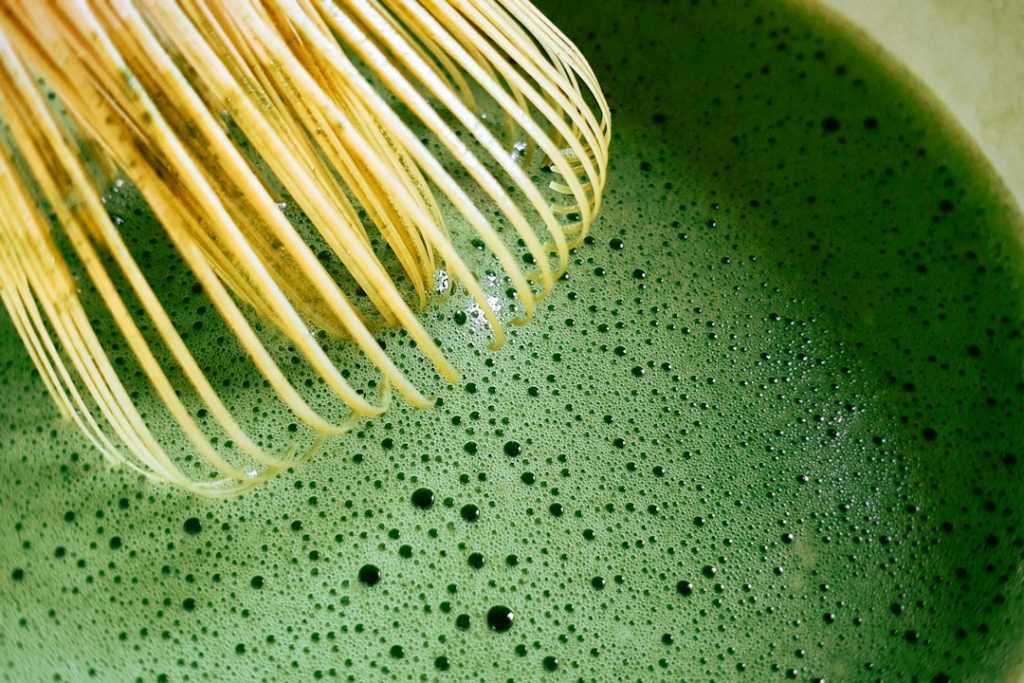
Usucha, or thin tea, is the most common way to prepare ceremonial grade matcha. It involves whisking approximately 1-2 bamboo scoops (chashaku) of matcha powder (about 1-2 grams) with 60-80ml of hot, but not boiling, water (around 70-80°C or 158-176°F). Using a bamboo whisk (chasen), the matcha and water are vigorously whisked in a W or M motion until a fine froth covers the surface. The smooth, delicate flavor and creamy texture of ceremonial grade shine through beautifully in this preparation, making it ideal for contemplative sipping.
Koicha (Thick Tea) – The Ultimate Ceremonial Matcha Ritual
Koicha, or thick tea, is a more intense and ceremonial preparation that exclusively uses the highest quality ceremonial grade matcha. It requires a higher ratio of matcha to water—typically 3-4 chashaku scoops (3-4 grams) whisked with only about 30-40ml of water. The whisking motion is slower and more deliberate, kneading the powder into a thick, syrupy consistency without froth. The exceptional smoothness, sweetness, and deep umami of the finest ceremonial matcha are paramount for Koicha, as the lack of froth and higher concentration intensify every flavor note. This is considered the pinnacle of matcha appreciation.

Incorporating Culinary Matcha into Lattes, Smoothies, and Baked Goods
Culinary grade matcha is where versatility truly comes into play. Its robust flavor profile is designed to perform well in recipes. For a matcha latte, whisk 1-2 teaspoons of culinary matcha with a small amount of hot water to form a smooth paste, then combine with steamed milk and your preferred sweetener. In smoothies, simply add 1-2 teaspoons of culinary matcha along with your other ingredients before blending. For baking, incorporate it directly into dry ingredients for cakes, cookies, or muffins. The key is that its stronger flavor profile won’t be completely lost when combined with other potent tastes like chocolate, fruit, or spices.
Top Matcha Brands in 2026: A Comparative Look at Purity and Flavor Profiles
Navigating the market for high-quality matcha requires knowledge of brands that consistently deliver on purity, flavor, and ethical sourcing. In 2026, several brands stand out for their commitment to excellence in both ceremonial and culinary grades.
Expert Picks: Best Ceremonial Grade Matcha Brands
- Ippodo Tea (Japan): Renowned for its long heritage, Ippodo offers exceptional ceremonial grades like Sayaka and Jugetsu, known for their delicate sweetness and rich umami.
- Marukyu Koyamaen (Japan): Another venerable Kyoto-based producer, Marukyu Koyamaen’s offerings such as Ten-yu and Midori are prized for their vibrant color and complex flavor profiles.
- Encha Organic Matcha (USA/Japan): This brand focuses on organic, shade-grown matcha sourced from Japan, providing high-quality ceremonial grades with excellent color and smooth taste.
Value Champions: Best Culinary Grade Matcha Brands
- Jade Leaf Matcha (USA/Japan): Offers a wide range of organic matcha, including affordable culinary grades that provide good flavor and color for everyday use in lattes and cooking.
- The Matcha Source (USA/Japan): Known for its transparency and quality control, their culinary grades are reliable for consistent flavor in recipes.
- Pure & Green Organic Matcha (USA/Japan): Provides budget-friendly, organic culinary matcha options perfect for baking and a daily matcha fix without breaking the bank.
Common Pitfalls: Avoiding Matcha Misinformation and Deception in 2026
The growing popularity of matcha has unfortunately led to increased instances of misinformation and outright deception. Consumers must remain vigilant to make informed purchasing decisions.
“Ceremonial” Labeled Matcha That Isn’t
A prevalent issue is the mislabeling of matcha. Many products marketed as “ceremonial grade” fail to meet the stringent criteria. They may exhibit duller colors, harsher flavors, or coarser textures. This often occurs when producers use less stringent cultivation or processing methods, or when they blend lower-grade matcha. Always scrutinize the source, look for transparency from the brand, and be skeptical of exceptionally low prices for items labeled as ceremonial.
Over-Reliance on Color Alone: Why It’s Not Enough
While color is a crucial indicator, relying solely on a vibrant green hue can be misleading. As mentioned, artificial dyes can be used to enhance the color of inferior matcha. Furthermore, some high-quality matcha might have slightly less intense green due to natural variations in harvest or processing. It’s essential to consider color in conjunction with other factors like aroma, flavor profile (smoothness, bitterness, umami), and texture. Reputable brands will provide detailed descriptions that go beyond just color.
Choosing Your Matcha: A 2026 Buyer’s Guide for Every Palate and Purpose
Selecting the right matcha depends entirely on your intended use and personal preferences. By understanding the key differences, you can confidently choose the grade that best suits your needs.
Ceremonial Grade
Pros:
- Exceptional vibrant green color
- Smooth, rich umami flavor with subtle sweetness
- Creamy, luxurious texture
- Ideal for traditional tea preparation (Usucha, Koicha)
- Provides a calming, mindful experience
Cons:
- Significantly more expensive
- Flavor can be too delicate or bitter if not prepared correctly
- Not ideal for strong flavor-blending applications
Best for:
Tea purists, individuals interested in traditional Japanese tea ceremonies, those seeking a high-quality daily mindful ritual, and anyone prioritizing nuanced flavor and texture over all else.
Culinary Grade
Pros:
- More robust flavor that stands up well in recipes
- More affordable and accessible
- Versatile for lattes, smoothies, baking, and cooking
- Less prone to bitterness when mixed with other ingredients
Cons:
- Less vibrant color, often yellowish-green
- Can have a more noticeable bitterness or astringency
- Smoother texture may require more effort to achieve
- Not suitable for traditional, pure matcha experiences
Best for:
Everyday matcha drinkers, latte enthusiasts, bakers, smoothie makers, and anyone looking for a budget-friendly way to incorporate matcha’s flavor and health benefits into their diet.
👑 Ultimate Winner: Depends on Your Purpose
In 2026, the true “winner” between ceremonial and culinary grade matcha is not absolute, but conditional upon the consumer’s intent. For the purist seeking the authentic, nuanced experience of traditional Japanese tea culture, Ceremonial Grade is the undisputed champion. Its vibrant color, complex umami, subtle sweetness, and exceptionally smooth texture are unparalleled for mindful sipping and formal tea preparation. However, for the vast majority of consumers incorporating matcha into daily life—whether for vibrant green lattes, delicious baked goods, or energizing smoothies—Culinary Grade offers superior value and versatility. Its robust flavor profile ensures the matcha taste shines through in blended beverages and dishes, making it the practical and cost-effective choice for everyday enjoyment. The decision hinges entirely on whether you seek the contemplative elegance of pure tea or the flavorful adaptability of a culinary ingredient.